
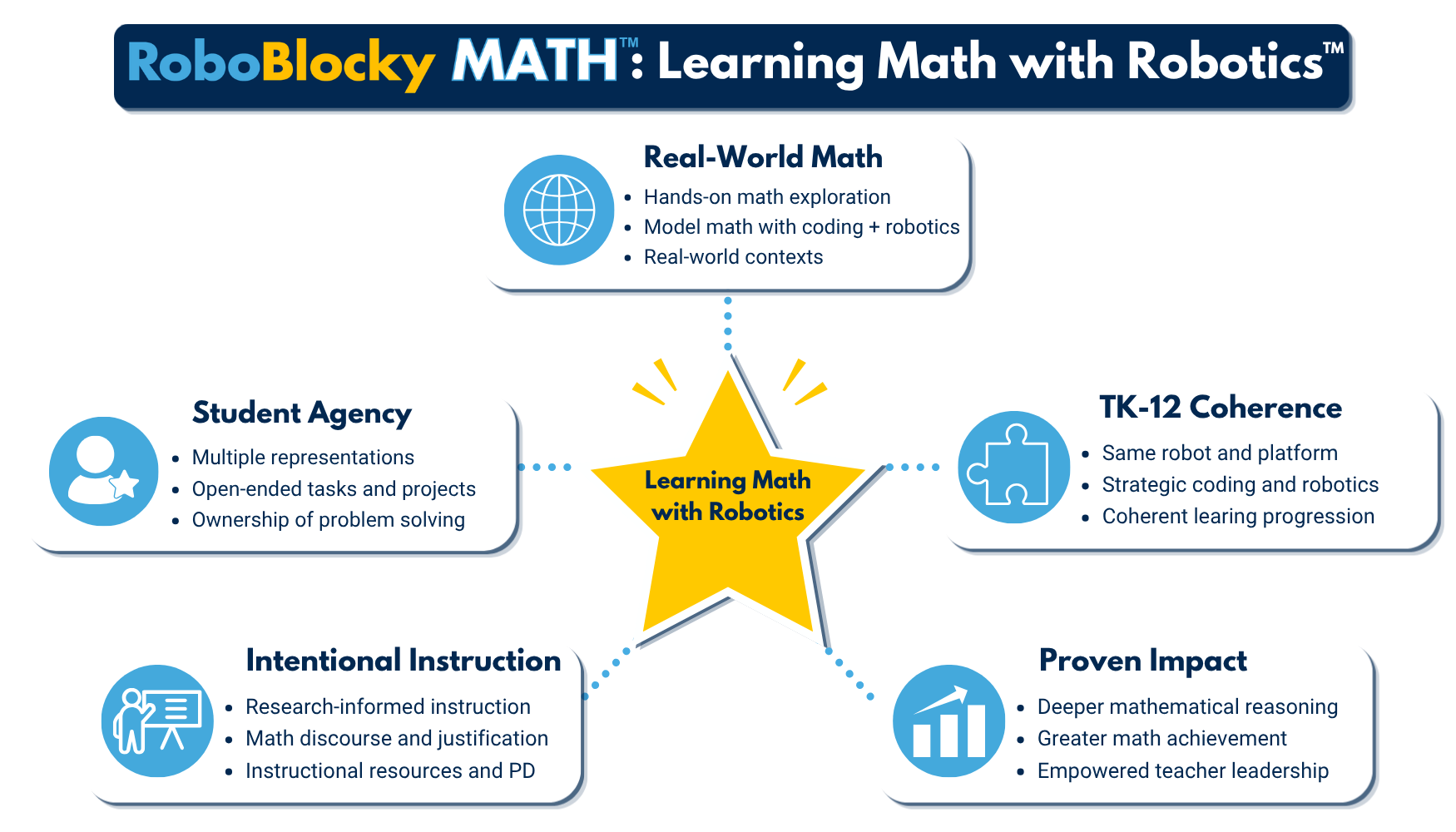
Learning Math with Robotics™
 |
Barobo ranked #11
|
RoboBlocky Math™ is the Nation's First Comprehensive TK–12 Math Program
Integrating Mathematics with Coding, Manipulatives, and Robotics
for Student Engagement and Real-World Problem Solving
RoboBlocky Math™ Approved for Adoption by the
California State Board of Education
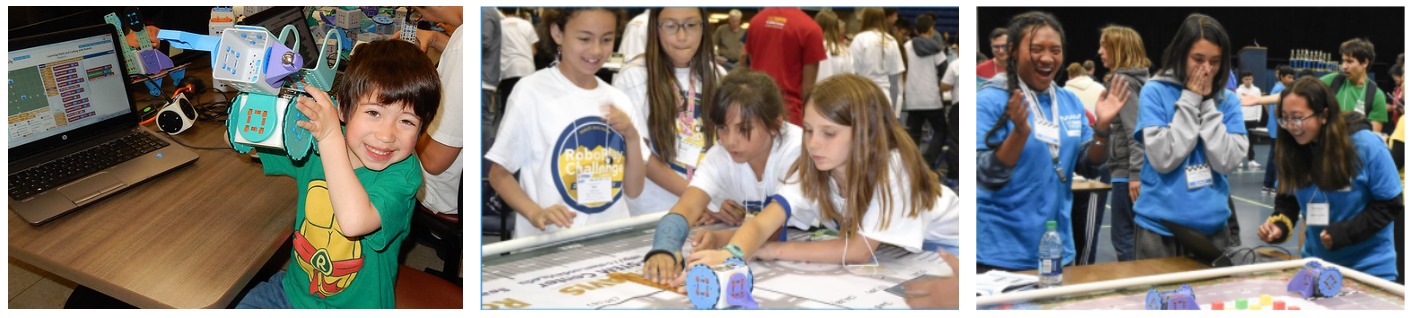
Platform and Curriculum Overview
RoboBlocky is a web-based learning platform that supports hands-on learning in mathematics, STEAM, computer science, and engineering design through coding, manipulatives, and robotics using both virtual and physical robots. The platform includes an integrated Learning Management System (LMS), real-time classroom interaction tools, and support for 18 languages to enhance accessibility and classroom implementation. RoboBlocky offers a low floor for beginners and a high ceiling for advanced students, supporting diverse learners across grade levels while enabling a smooth transition from block-based coding to text-based programming in C/C++.
Developed in collaboration with the UC Davis C-STEM Center and informed by more than two decades of research and classroom implementation with thousands of TK–12 educators, the RoboBlocky Curriculum provides schools and districts with flexible approaches for integrating coding, manipulatives, and robotics into mathematics, STEAM, computer science, and engineering design instruction. The curriculum is supported by research-informed instructional frameworks that strengthen mathematical reasoning, discourse, and problem-solving. The vision of Learning Math with Robotics™ demonstrates how RoboBlocky Math makes mathematics meaningful, hands-on, and connected to the real world.
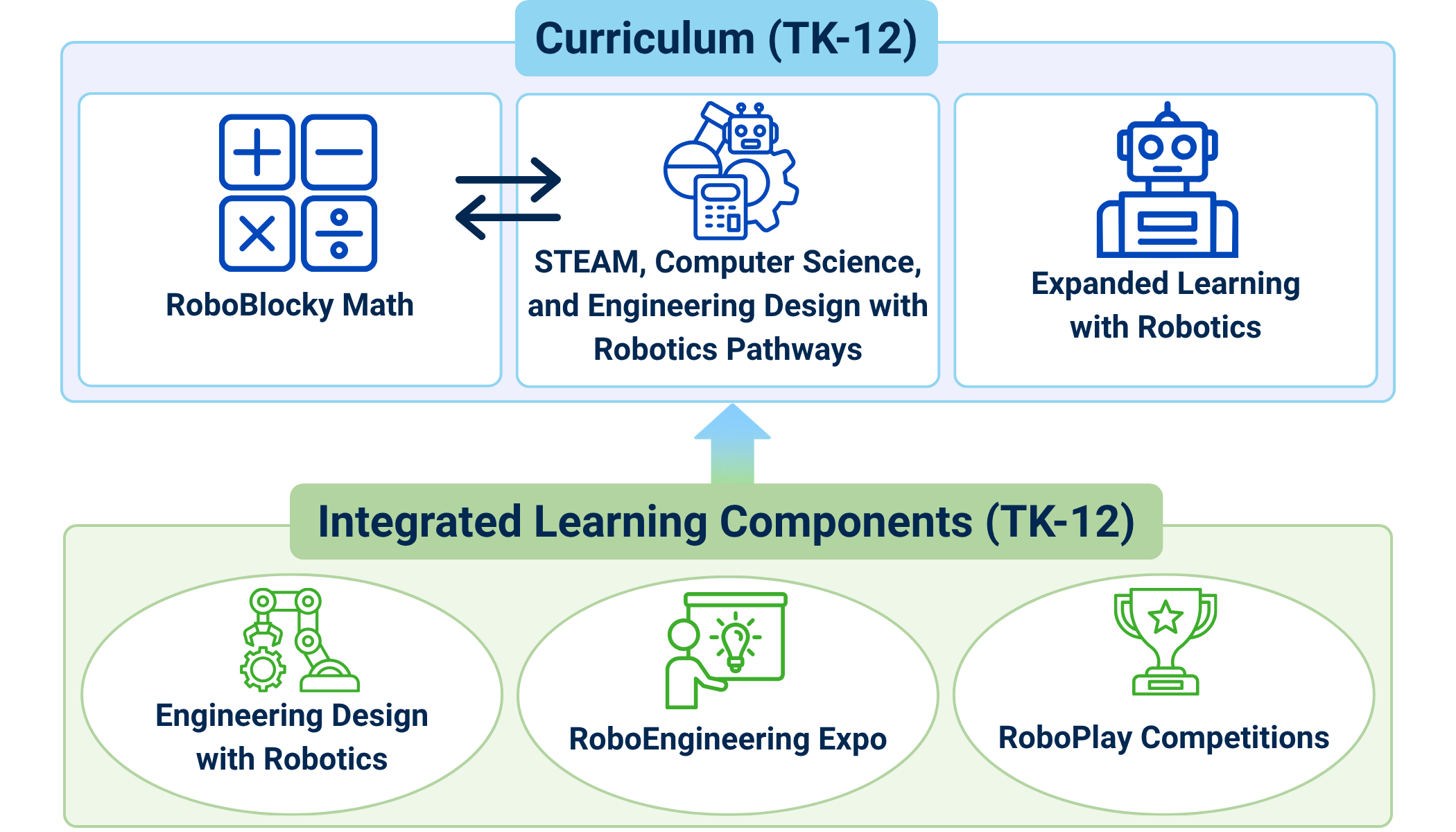
RoboBlocky Math™, STEAM, Computer Science, and Engineering Design with Robotics Pathways, Expanded Learning with Robotics, and Integrated Learning Components—including Engineering Design with Robotics, RoboEngieering Expo™, and RoboPlay™ Competitions—are designed to work together as a coherent TK–12 learning ecosystem, as shown below. RoboBlocky Math and STEAM, Computer Science, and Engineering Design with Robotics Pathways are intentionally designed to provide complementary learning experiences without repeating RoboBlocky activities. Expanded Learning with Robotics and Integrated Learning Components further extend and enrich student learning throughout TK–12. Schools and districts may implement any curriculum or course independently at any grade level to meet their instructional goals.
The platform includes over 16,000 lessons, activities, Big Idea Tasks, Big Idea Projects, Engineering Design activities, RoboPlay Adventures, and RoboPlay Challenges that support early learning, targeted intervention, computer science, engineering design, and expanded learning, while strengthening student engagement, real-world problem-solving, mathematical understanding, and integrated STEAM learning.
In addition, RoboBlocky supports flexible classroom implementation and supplemental use through selected lessons and activities designed to enhance existing mathemarics curricula, supported by alignment guides for more than 25 widely used mathematics programs. Classroom implementations, student projects, and instructional outcomes are illustrated through the following showcase collections:
RoboBlocky Curriculum flyer
For licensing and access to the RoboBlocky Curriculum and Learning Management System (LMS), please contact us
Curriculum
RoboBlocky provides a comprehensive TK–12 curriculum for mathematics, STEAM, computer science, and engineering through the integration of robotics in classroom and expanded learning settings. The curriculum supports hands-on personalized and collaborative learning for core instruction, acceleration, intervention, enrichment, and expanded learning opportunities.
The Curriculum includes:
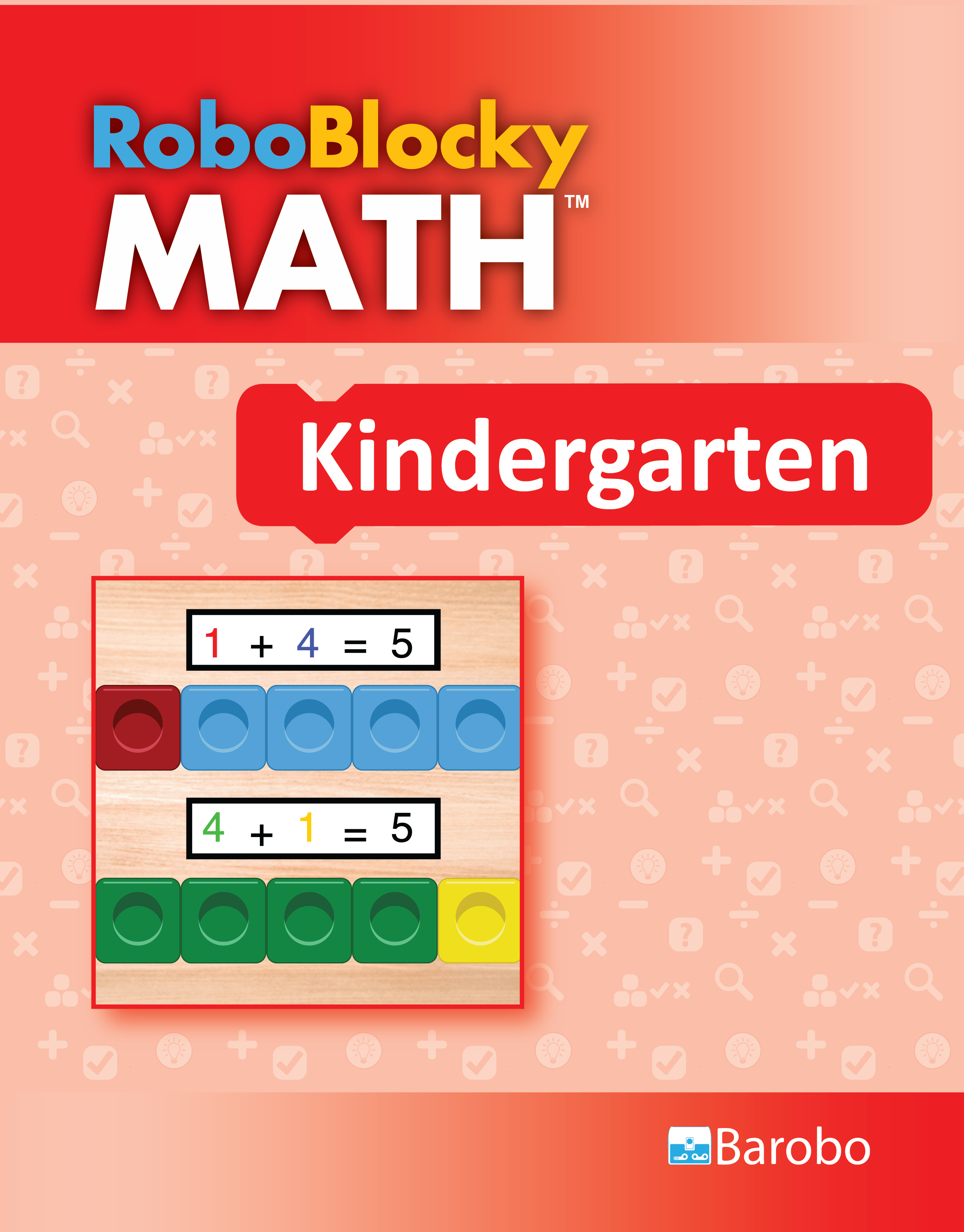
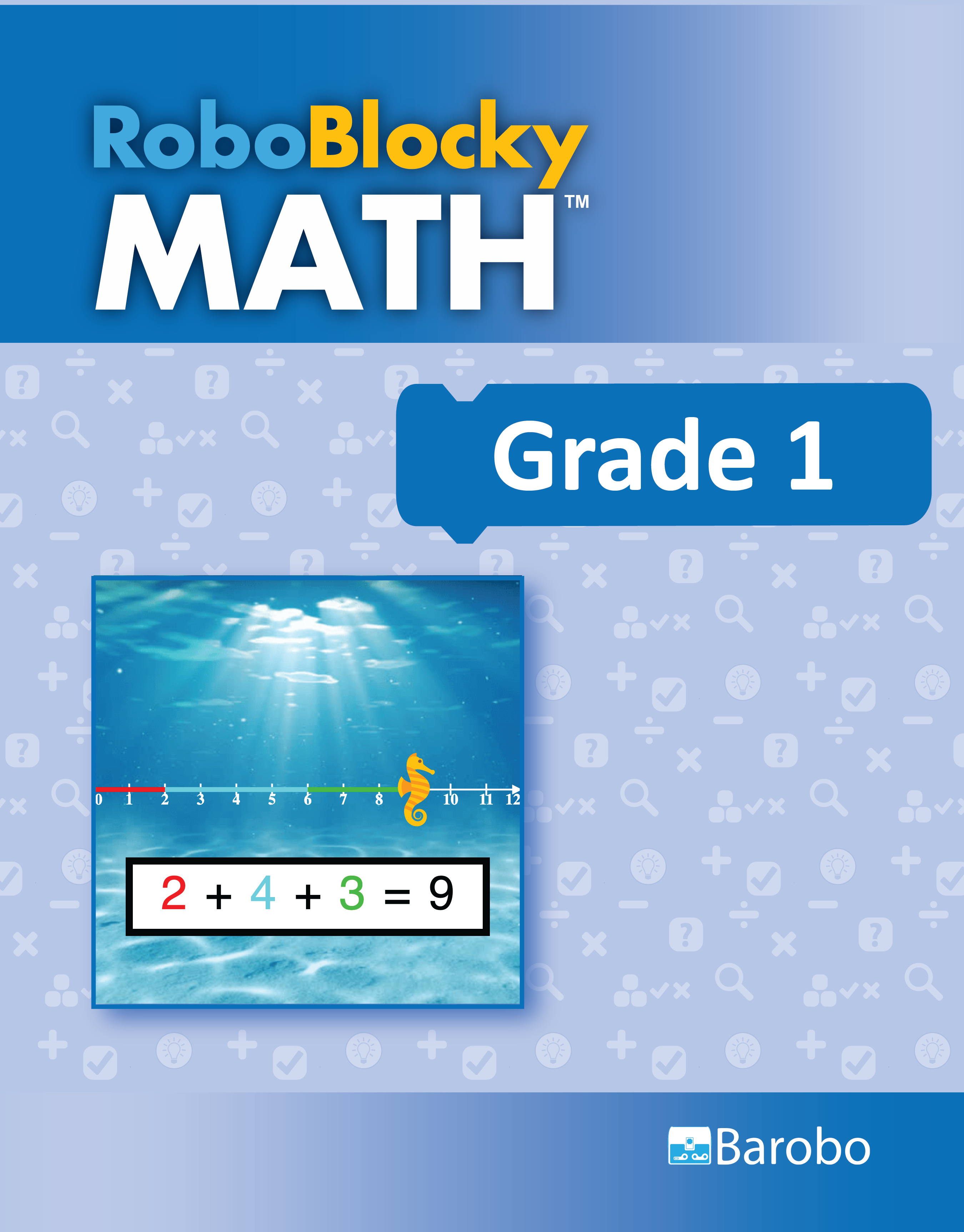
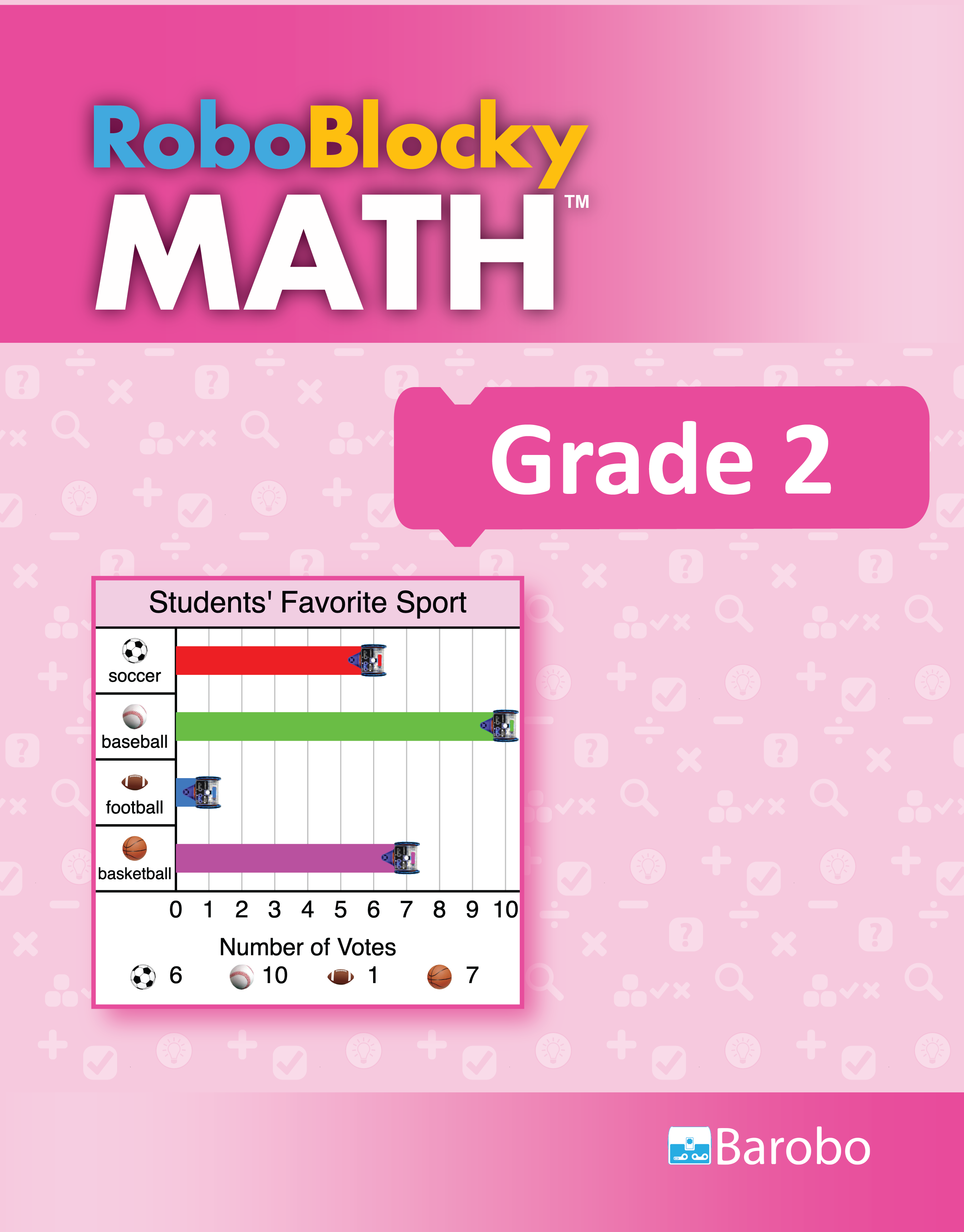
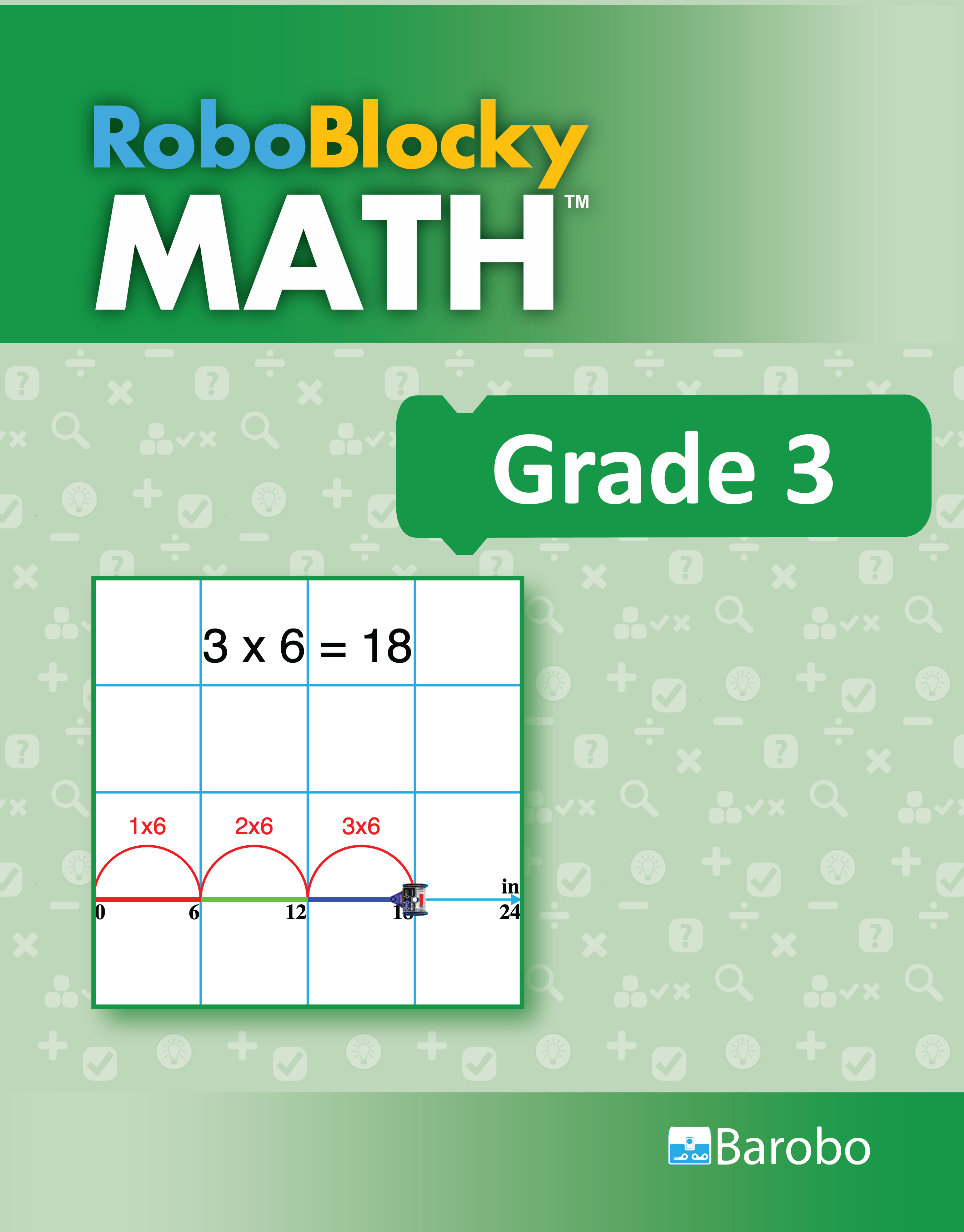
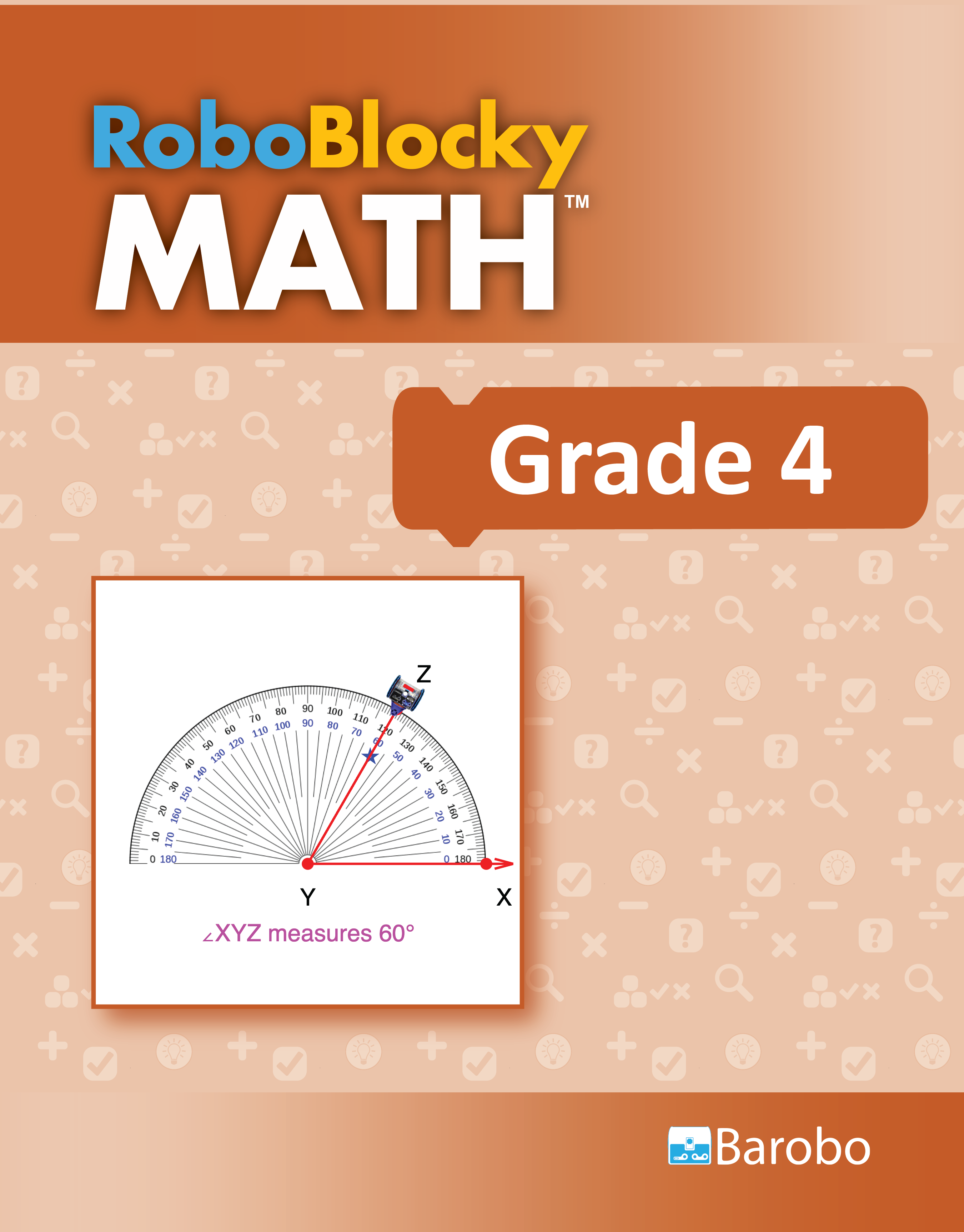
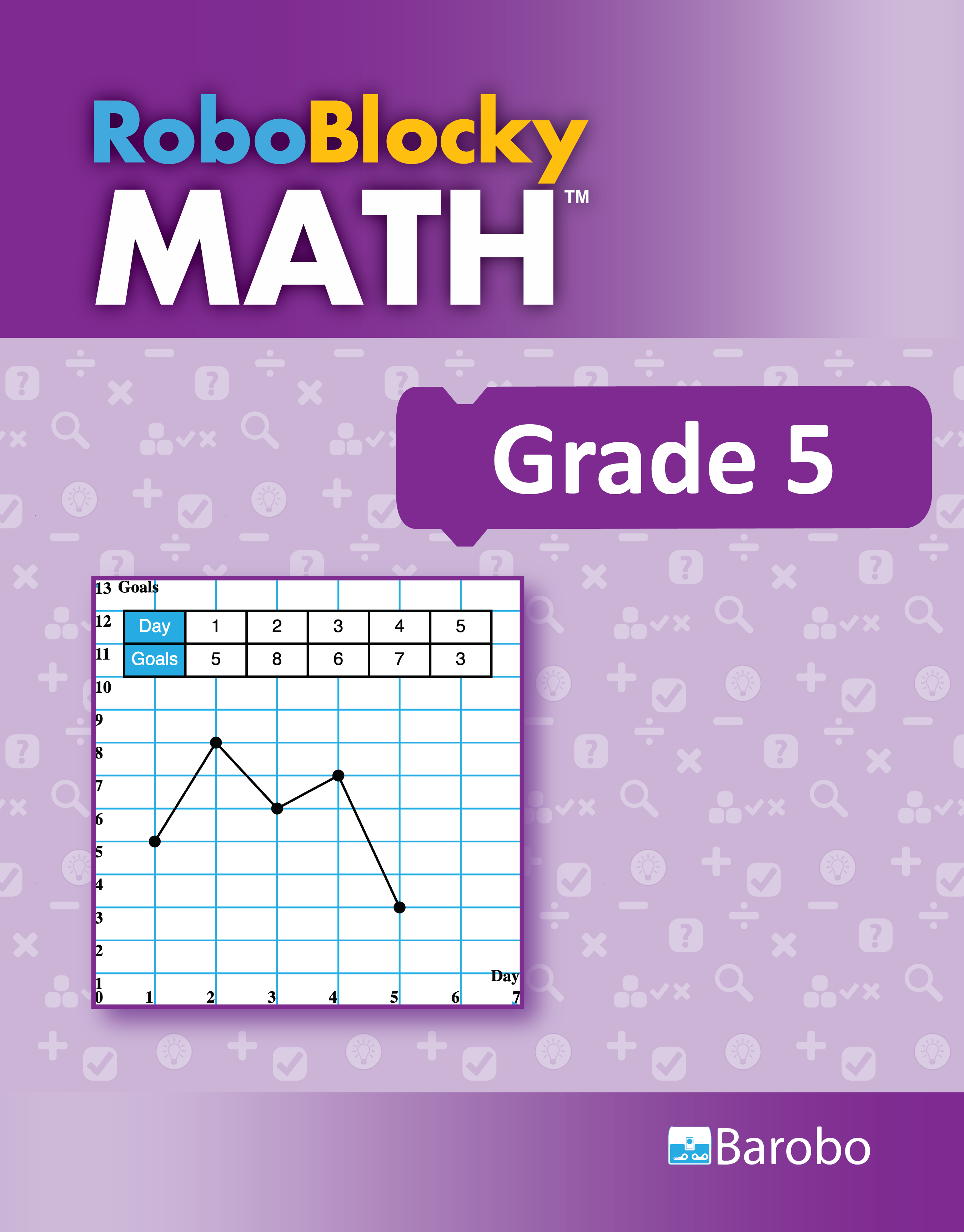
- RoboBlocky Math™ (TK–12)
- RoboBlocky Math™ Curriculum for Core and Supplemental Instruction
- RoboBlocky Math™ Accelerated and Highly Accelerated Curriculum
- RoboBlocky Math™ Intervention and Enrichment Curriculum
- STEAM, Computer Science, and Engineering Design with Robotics Pathways (TK–12)
- Expanded Learning with Robotics (TK–12)
- Robotics Curriculum for Expanded Learning
- Robotics-Math Curriculum for Expanded Learning
 |  |  |  |
 |  |  |  |
 |  |  |  |
 |  |  |  |
 |
Teaching Mathematics with Coding and Robotics can Transform California Math Instruction
EdSource | February 1, 2026 | Online Article | PDF
RoboBlocky Math™ is an innovative TK-12 mathematics curriculum that emphasizes real-world mathematical problem solving, conceptual understanding, mathematical reasoning, student agency, and TK–12 coherence. It integrates mathematics with coding, manipulatives, and robotics, aligns fully with state mathematics standards, and is approved for adoption by the California State Board of Education (SBE) under the California Mathematics Framework.
RoboBlocky Math is designed to support core instruction, acceleration, intervention, enrichment, and expanded learning through a coherent TK–12 curriculum that adapts to diverse instructional models and student needs.
The high school RoboBlocky Math courses are UC A–G approved C-STEM courses that can be readily added to a high school's A–G course list, enabling schools to integrate mathematics, coding, and robotics into college-preparatory mathematics courses.
Guiding Principles and TK–12 Coherence
- Supports conceptual understanding and mathematical reasoning through the strategic integration of coding and robotics only when they meaningfully enhance student learning and engagement
- RoboBlocky Math lessons focus on mathematics without requiring coding. When coding is included, it is designed to support mathematical exploration, conceptual understanding, and problem solving.
- Supports flexible implementation using manipulatives, virtual robots, and physical robots, allowing schools and teachers to adapt implementation based on instructional goals, classroom needs, and available resources. When RoboBlocky Math is implemented together with the STEAM, Computer Science, and Engineering Design with Robotics Pathways, physical robot-based mathematics activities may be delivered through the STEAM pathways to support mathematics instruction. Mathematics teachers may continue to use physical robots for lesson demonstrations when appropriate.
- Supports hands-on learning using Linkbot Bundles as common manipulatives and reconfigurable robotic systems from TK through Grade 12
- Supports instructional continuity, collaboration, and peer mentoring across grade levels
- Supports cross-grade and cross-disciplinary collaboration among teachers through Professional Learning Communities (PLCs)
Flexible Implementation for Core and Targeted Support, Fully Aligned with Grade-Level Mathematics Standards
- Supports teacher-led core mathematics instruction for all students
- Supports flexible classroom implementation and supplemental use through selected lessons and activities to enhance existing mathematics curricula, including alignment guides for over 25 widely used mathematics programs
- Supports teacher-led Tier 2 instruction through scheduled intervention courses for students needing additional support
- Supports Tier 3 paraeducator- and special education teacher-led individualized or small-group instruction using selected lessons and activities for targeted reinforcement
- RoboBlocky Math and the corresponding STEAM, Computer Science, and Engineering Design with Robotics Pathways are designed to complement one another. Physical robot-based mathematics activities, including RoboParade, RoboPlay Competitions, and other hands-on robotics experiences, are included in both curricula. Schools implementing both curricula may conduct these physical robot-based mathematics activities within the STEAM pathways, allowing mathematics teachers to focus on core mathematics instruction while continuing to use physical robots for lesson demonstrations when appropriate.
Instructional Resources and Teacher Support
RoboBlocky Math is designed to empower all teachers, including those without prior coding or robotics experience, to confidently guide students in making mathematics meaningful, engaging, and accessible. RoboBlocky Math includes:
- Comprehensive Instructor Handbooks
- Student Workbooks (print editions in English and Spanish)
- Digital resources in multiple languages
- Ready-to-run programs in lesson Examples that support teacher-led mathematics instruction
- Structured lessons and guided activities integrating hands-on manipulatives, coding, virtual robots, and physical robots
- Teachers can modify program values to immediately observe how changes affect the program output, helping students visualize mathematical relationships and deepen conceptual understanding
- Guided coding activities that provide scaffolded opportunities for students to apply mathematical concepts by modifying program values or selected code, as appropriate for the activity
- Cross-chapter and cross-grade Big Idea Tasks (K–5), Big Idea Projects (6–12), RoboPlay Adventures (K-1), and RoboPlay Challenges (2-12) to promote deeper mathematical understanding
Research-Informed Instructional Frameworks
-
RoboBlocky Instructional Strategy for Excellence (RISE)
A research-informed, standards-aligned instructional strategy that supports conceptual understanding, mathematical reasoning, inquiry, problem solving, and academic language development through structured lesson design and purposeful mathematical discourse.
-
REST (Run, Explain, Step, and Talk) Instructional Model
A structured instructional model used within RoboBlocky lessons to guide inquiry-based learning through coding and robotics examples, supporting prediction, explanation, discourse, and collaborative problem solving.
-
Professional Development and Implementation Support
Professional development supports educators in implementing the RISE Instructaional Strategy and REST Instructional Model through classroom demonstrations, implementation examples, instructor scripts, and guided instructional practices designed to strengthen mathematical reasoning, discourse, inquiry-based learning, and classroom engagement.
Proven Impact
- Develops all students to think and reason as mathematicians
- Demonstrates significant gains in mathematics achievement (In one documented success, the percentage of 6th-grade students meeting or exceeding standards on the SBAC state mathematics assessment increased from 16% to 71% within one year, a 344% improvement)
- Empowers teachers as leaders in innovative mathematics instruction
 |  |  |  |
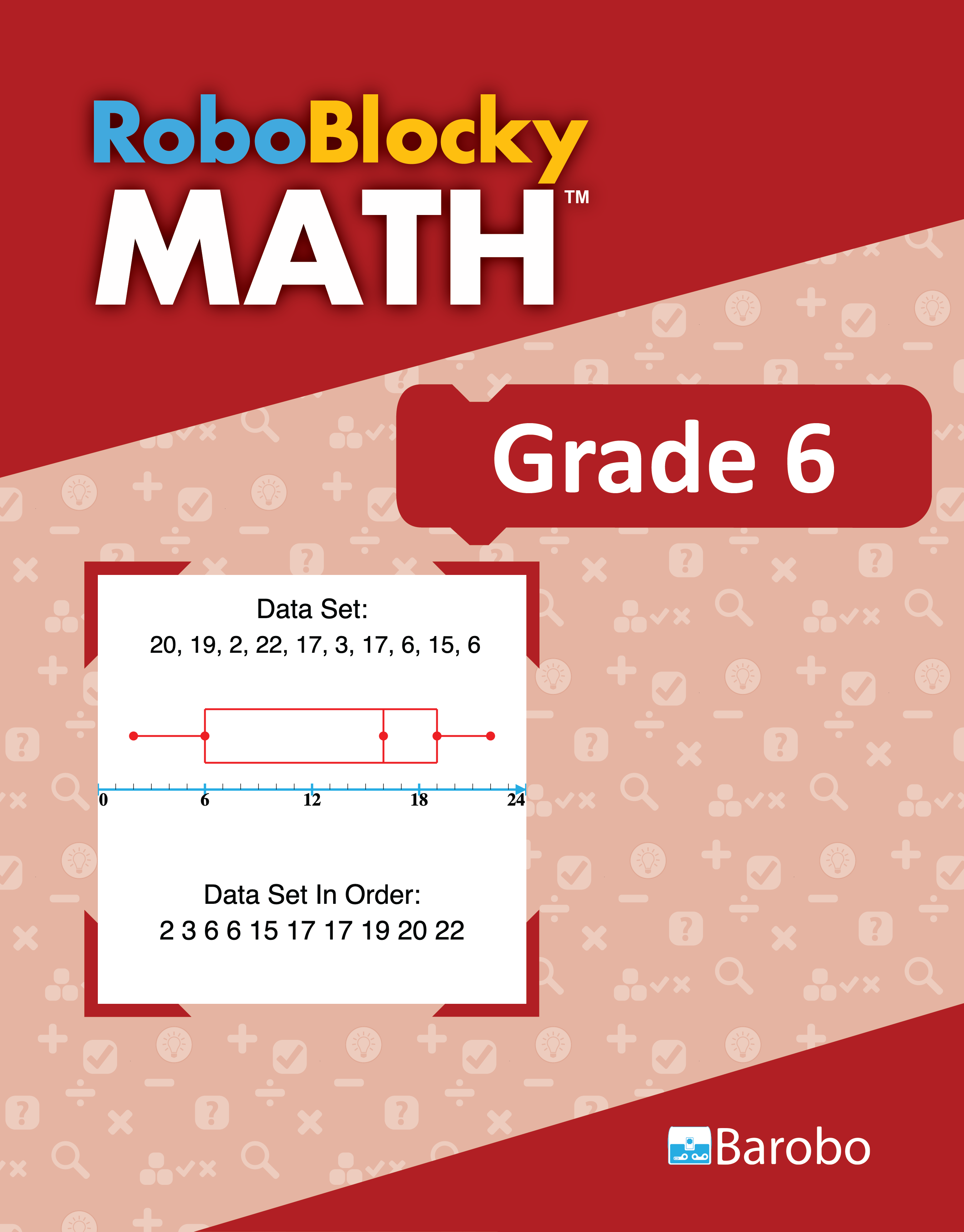
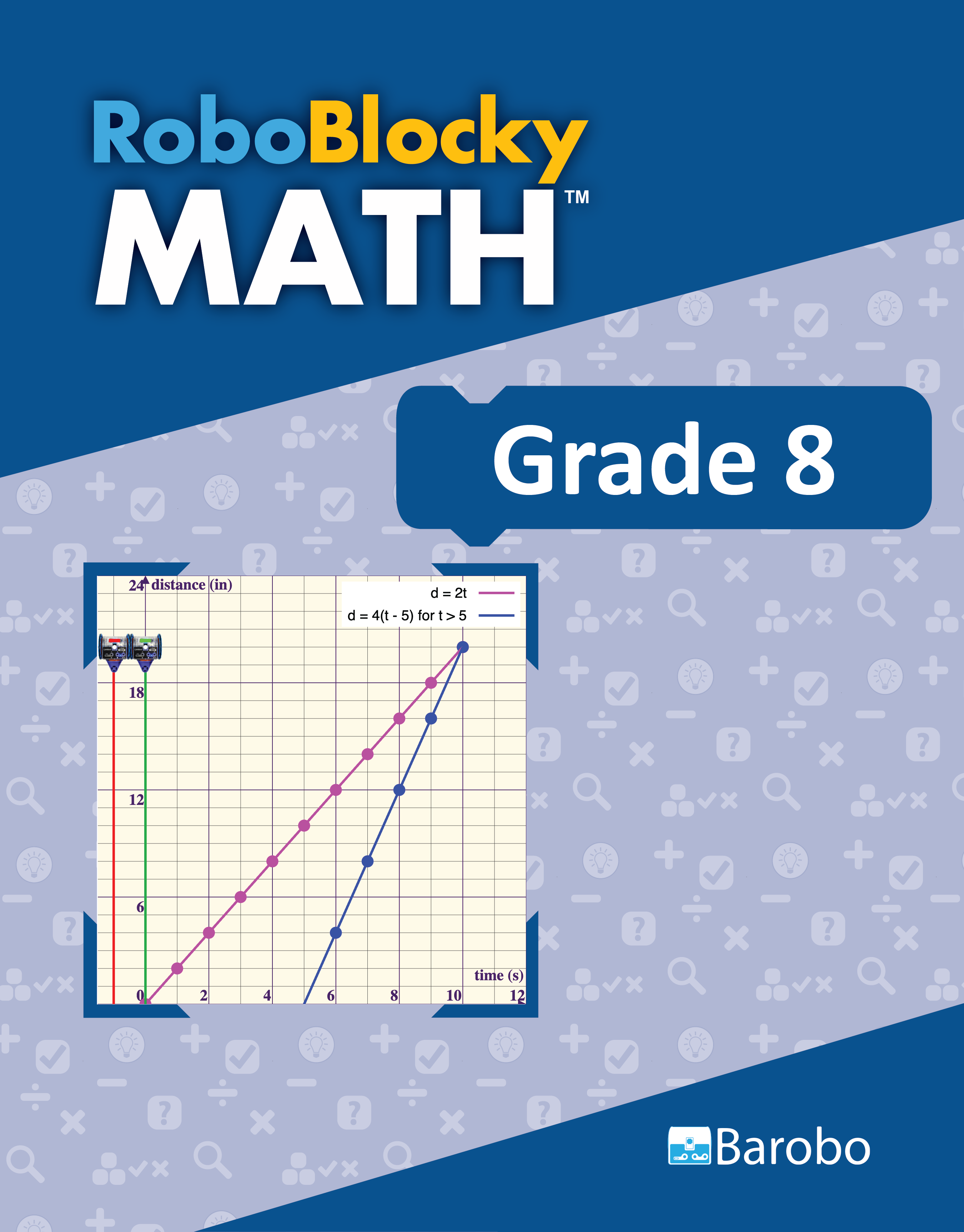
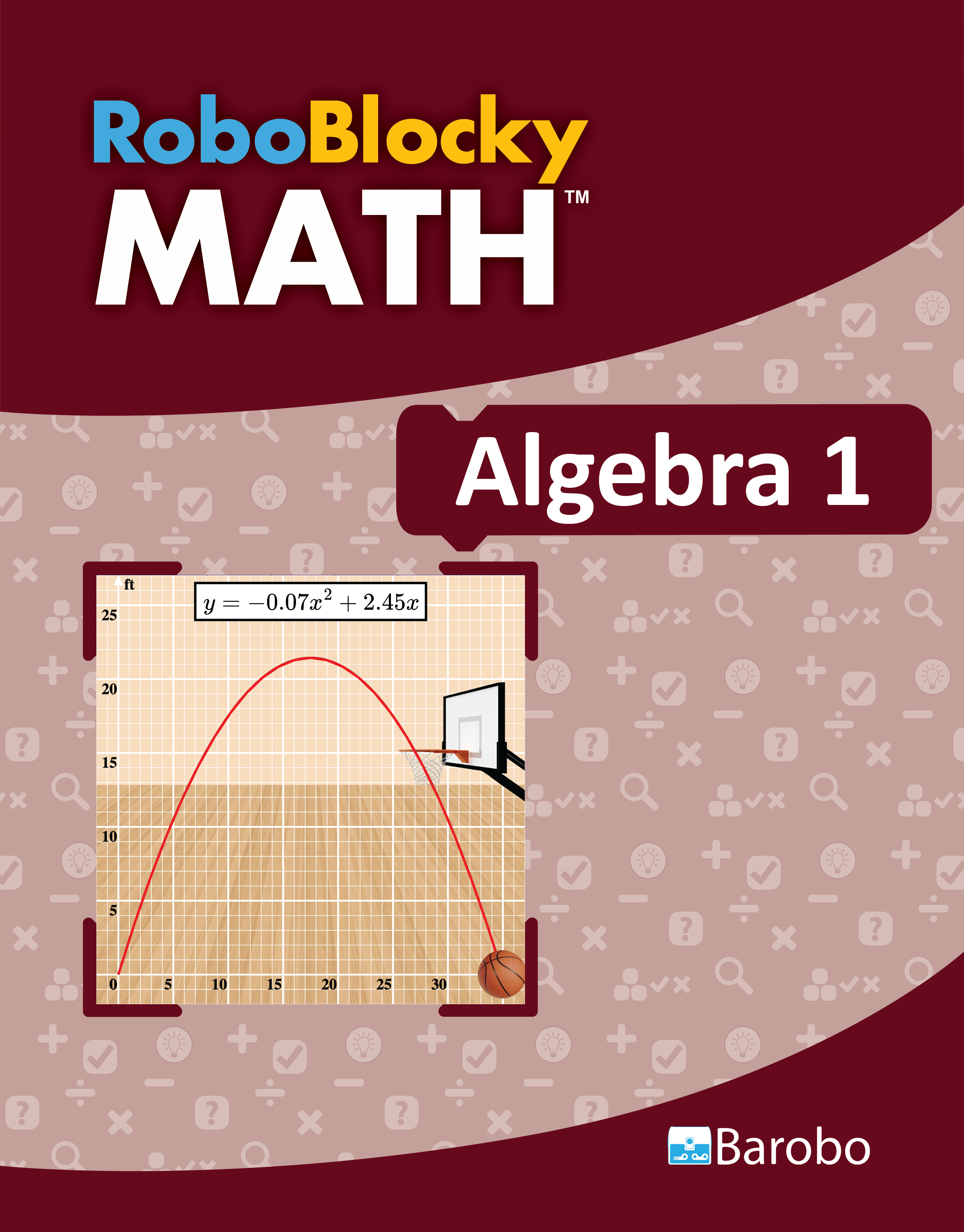
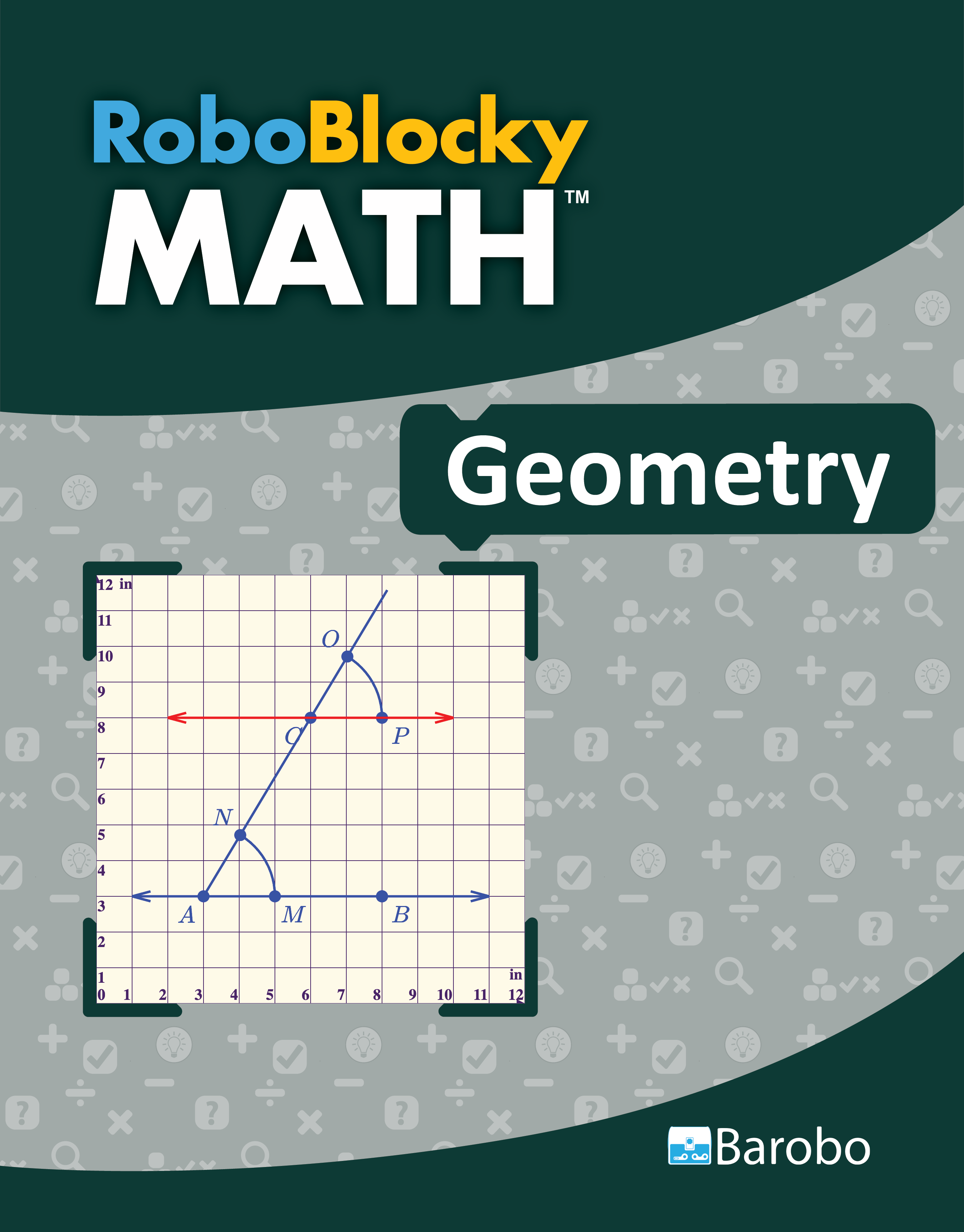
RoboBlocky Math Accelerated and Highly Accelerated Curriculum follows the same guiding principles and instructional framework as the RoboBlocky Math Core Curriculum while providing rigorous, fast-paced mathematics courses for students who are ready for accelerated learning.
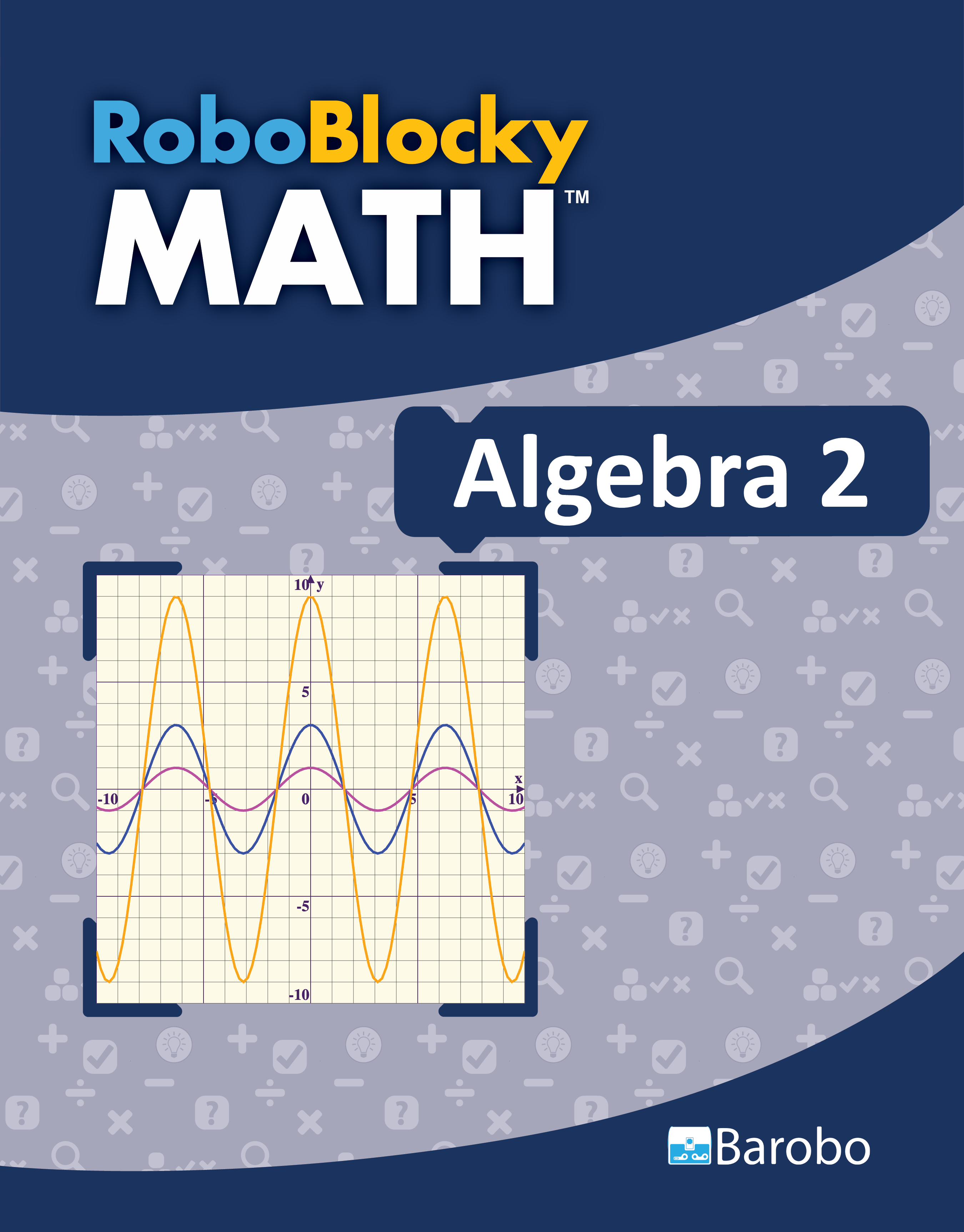
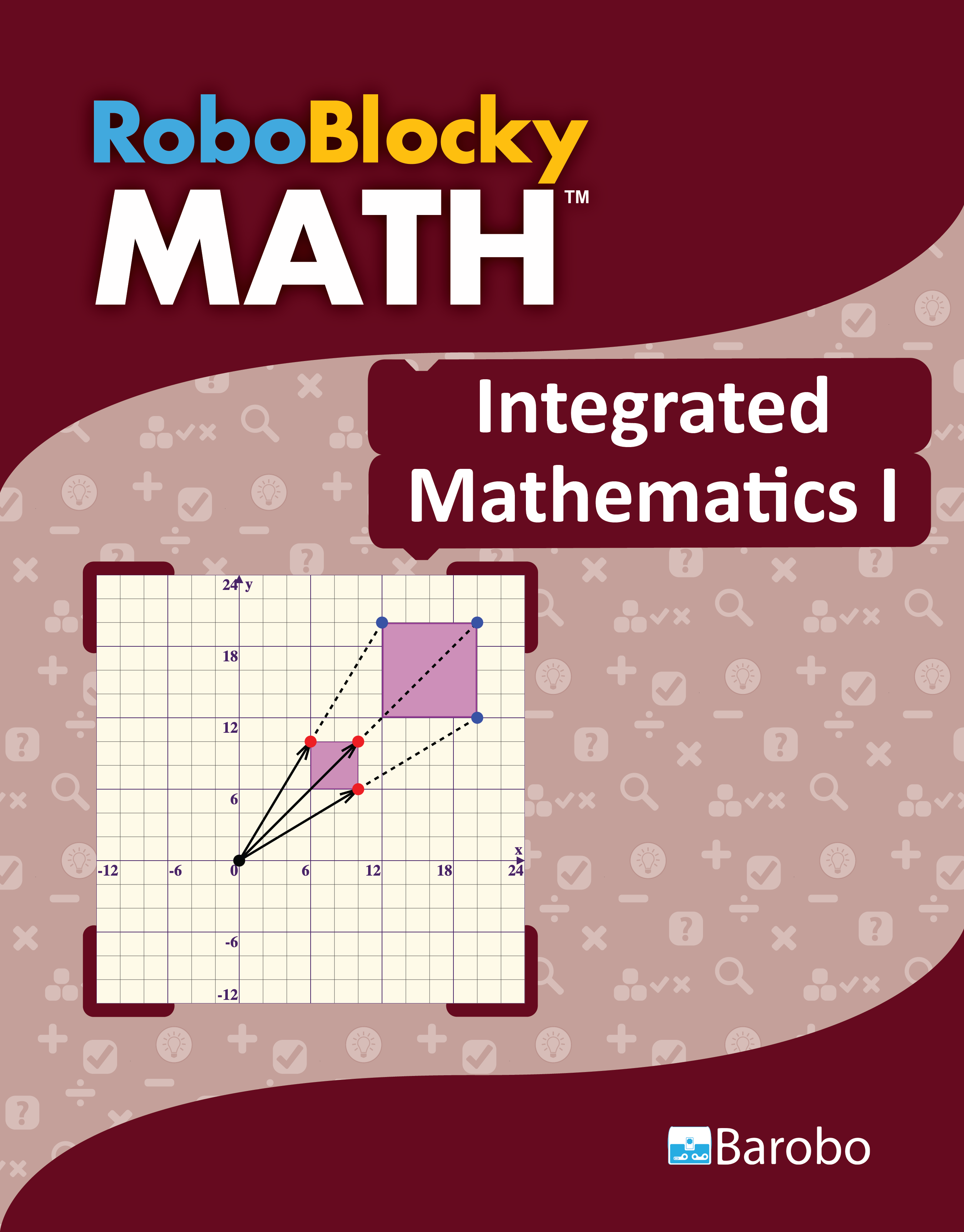
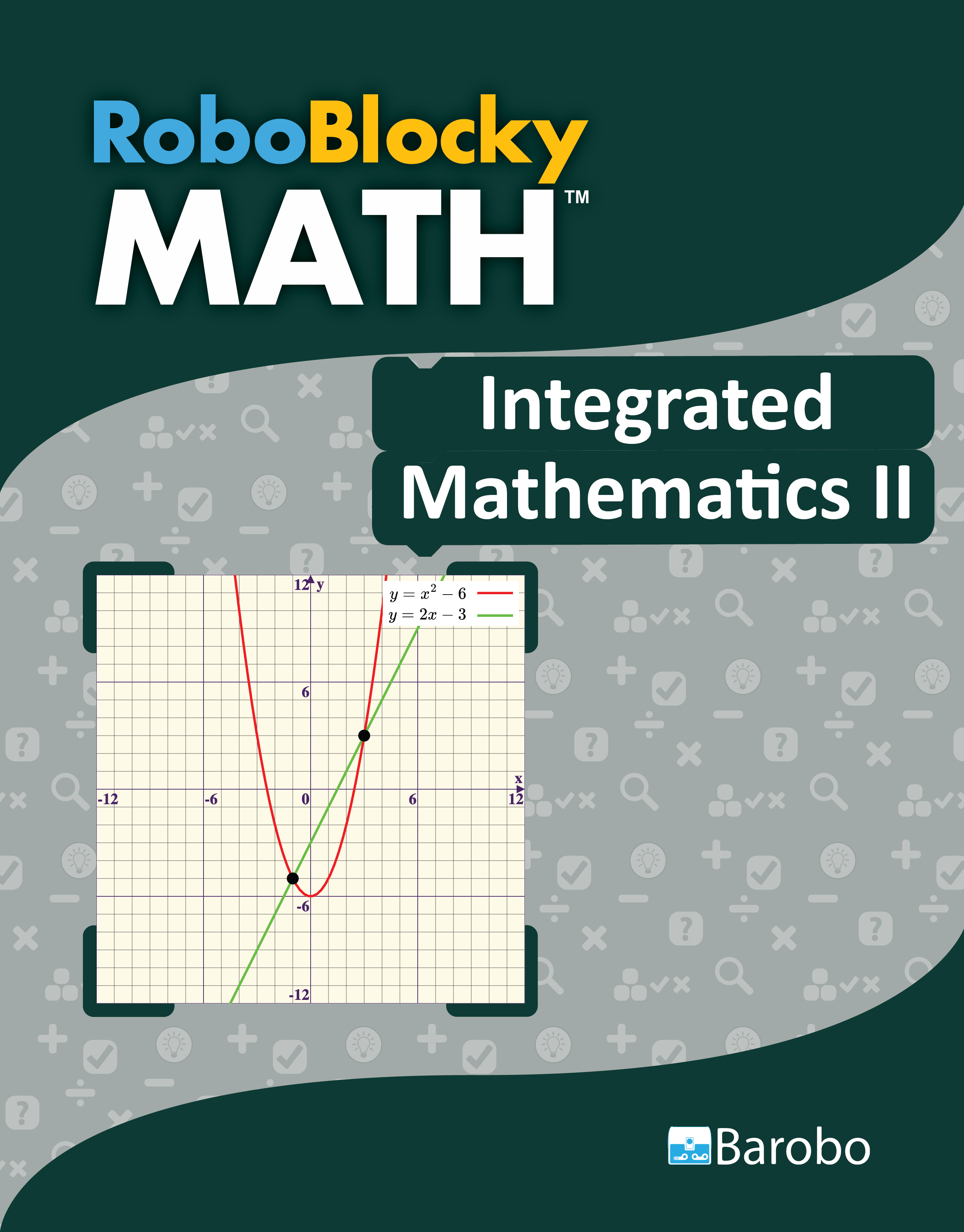
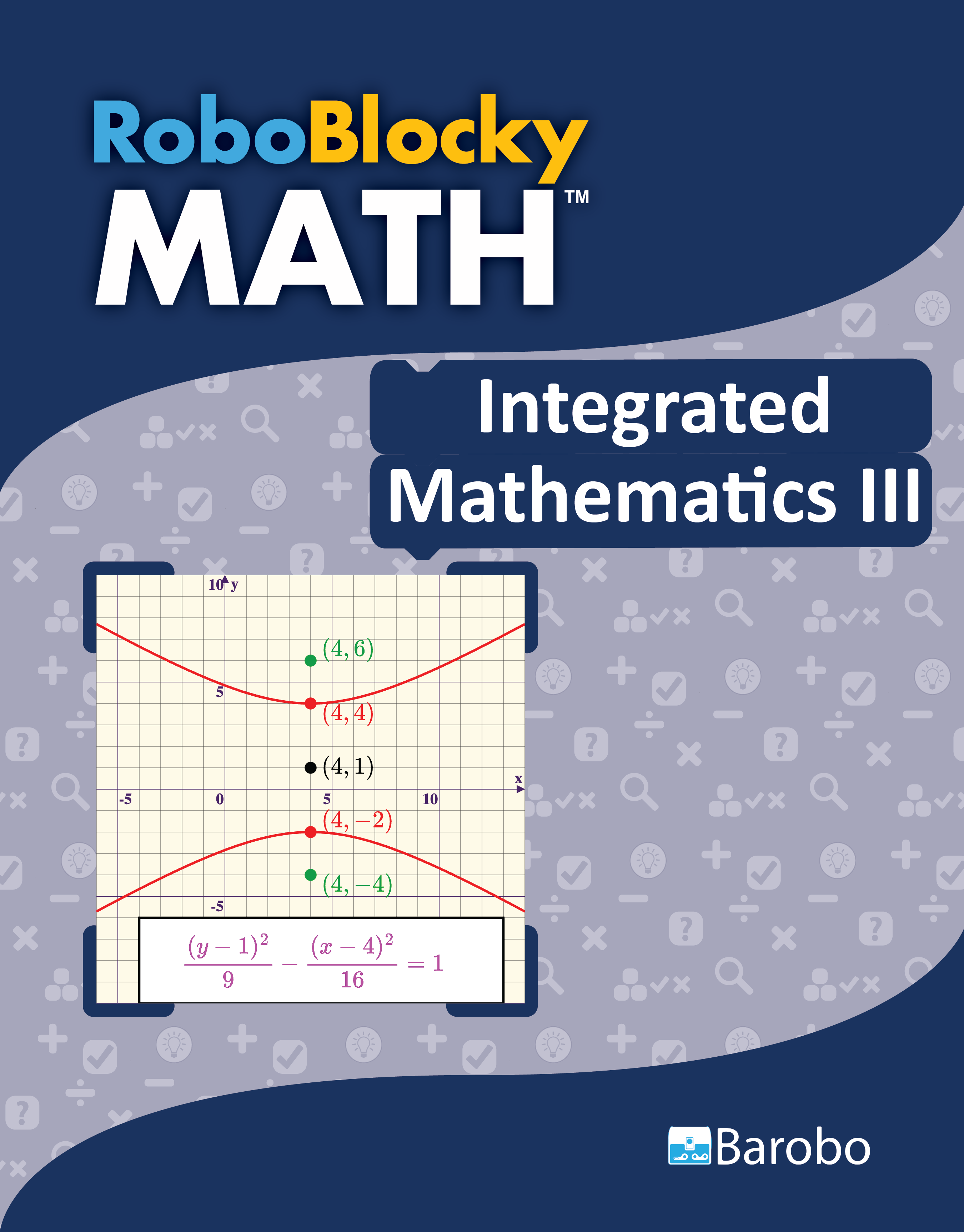
The curriculum provides six flexible acceleration pathways based on both the traditional (Algebra 1, Geometry, Algebra 2) and integrated (Integrated Mathematics I, II, III) high school mathematics sequences. Together, the pathways comprise four accelerated courses that provide school districts with flexibility to implement customized accelerated and highly accelerated programs that meet local pathway models and diverse student readiness levels.
Accelerated Pathways A and B provide one year of acceleration beginning in either Grade 7 or Grade 8. Highly Accelerated Pathway C enables advanced students to complete four years of mathematics content in two years, beginning in Grade 6. These pathways accelerate mastery of grade-level and above-grade-level mathematics standards while preparing students for advanced high school mathematics and post-secondary success.
Further details, pathway diagrams, pacing guides, and course descriptions are available in the RoboBlocky Instructor Guide.
 |  |  |  |
 |  |
RoboBlocky Math Intervention and Enrichment Curriculum follows the same guiding principles and instructional framework as the RoboBlocky Math Core Curriculum while providing flexible, hands-on mathematics courses for elementary, middle, and high school students.
The same curriculum supports both intervention and enrichment, with implementation differentiated through pacing, instructional emphasis, and depth of mathematical exploration rather than different instructional materials. Intervention implementations strengthen foundational mathematical understanding through guided instruction, additional practice, and extended instructional time, while enrichment implementations use an accelerated pace and extended problem-solving experiences to deepen conceptual understanding and application.
Courses may be implemented during the school day, afterschool, or in summer programs.
| Course Title | Grade Level | Duration |
|
Elementary School (Grades 5-6) | One semester |
|
Middle school (Grades 6-8) | One semester |
|
High school (Grades 9-12) | One semester |
|
High School (Grades 10-12) | One semester |
|
Middle School (Grades 6-8) | Full year |
|
High School (Grades 9-12) | Full year |
One-semester courses support either intervention or enrichment, while full-year courses are designed primarily for intervention. All courses strengthen essential mathematical concepts, build student confidence, and prepare learners for success in future mathematics, STEAM, and computer science pathways through engaging, project-based learning experiences.
Further details, pacing guides, and course descriptions are available in the RoboBlocky Instructor Guide.
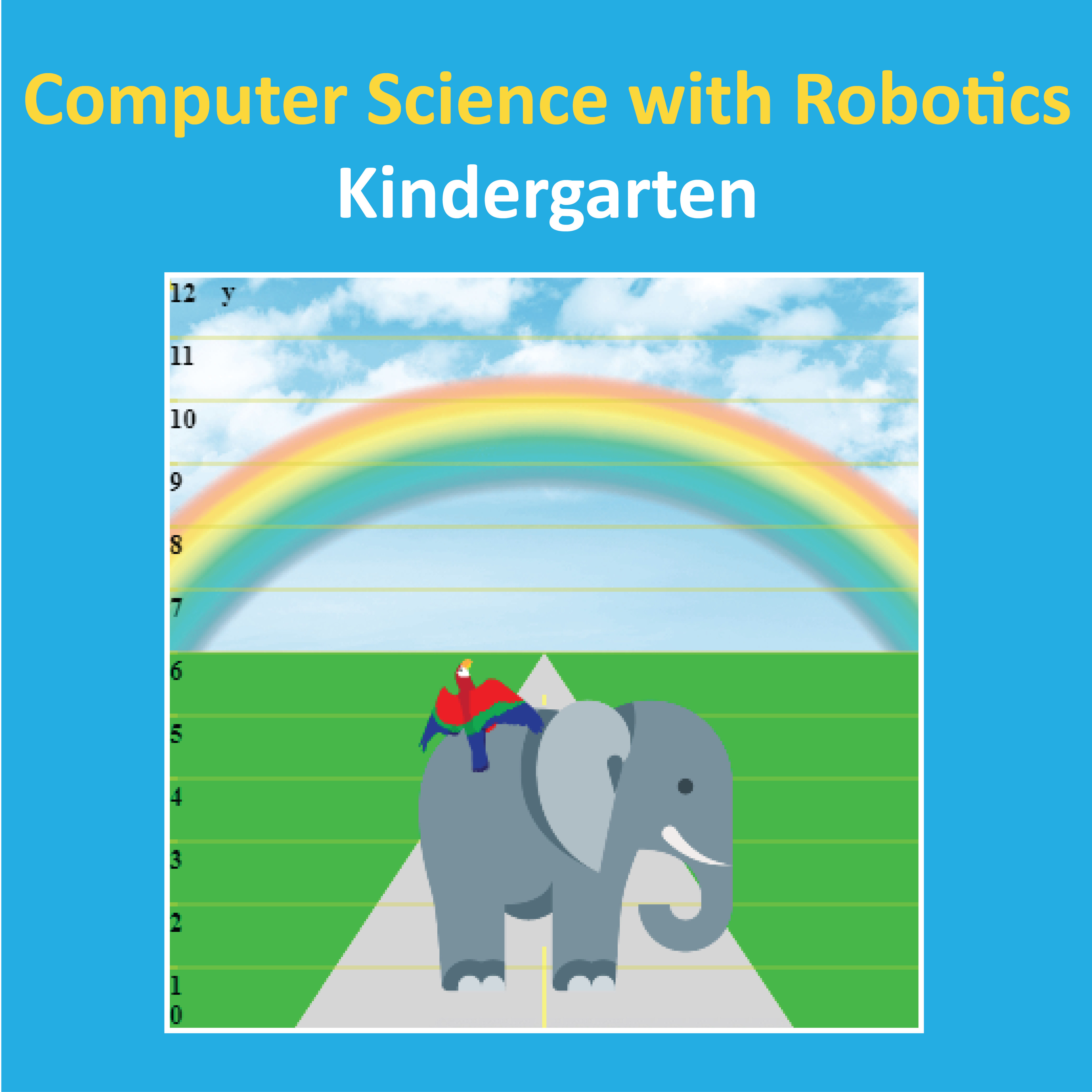 | 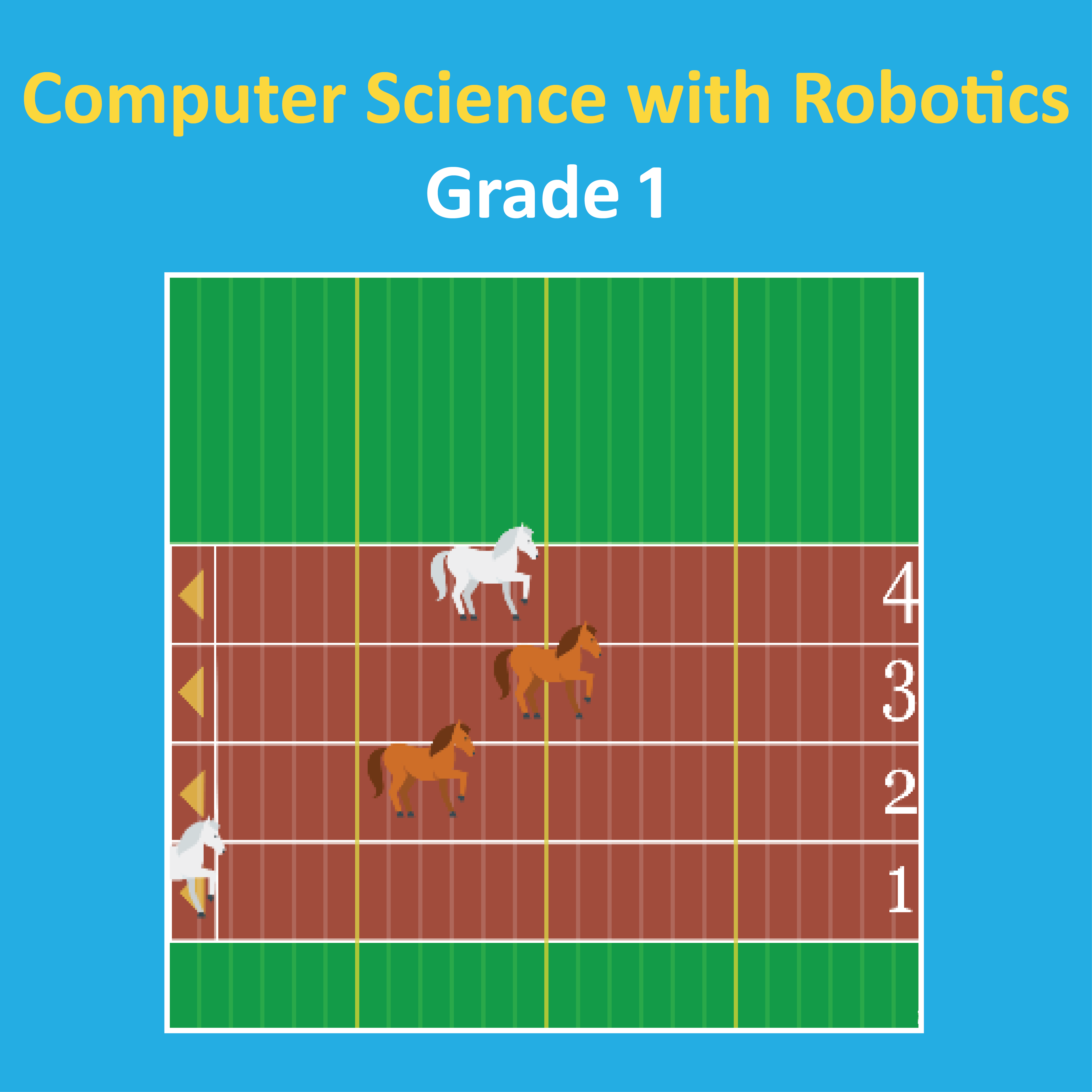 | 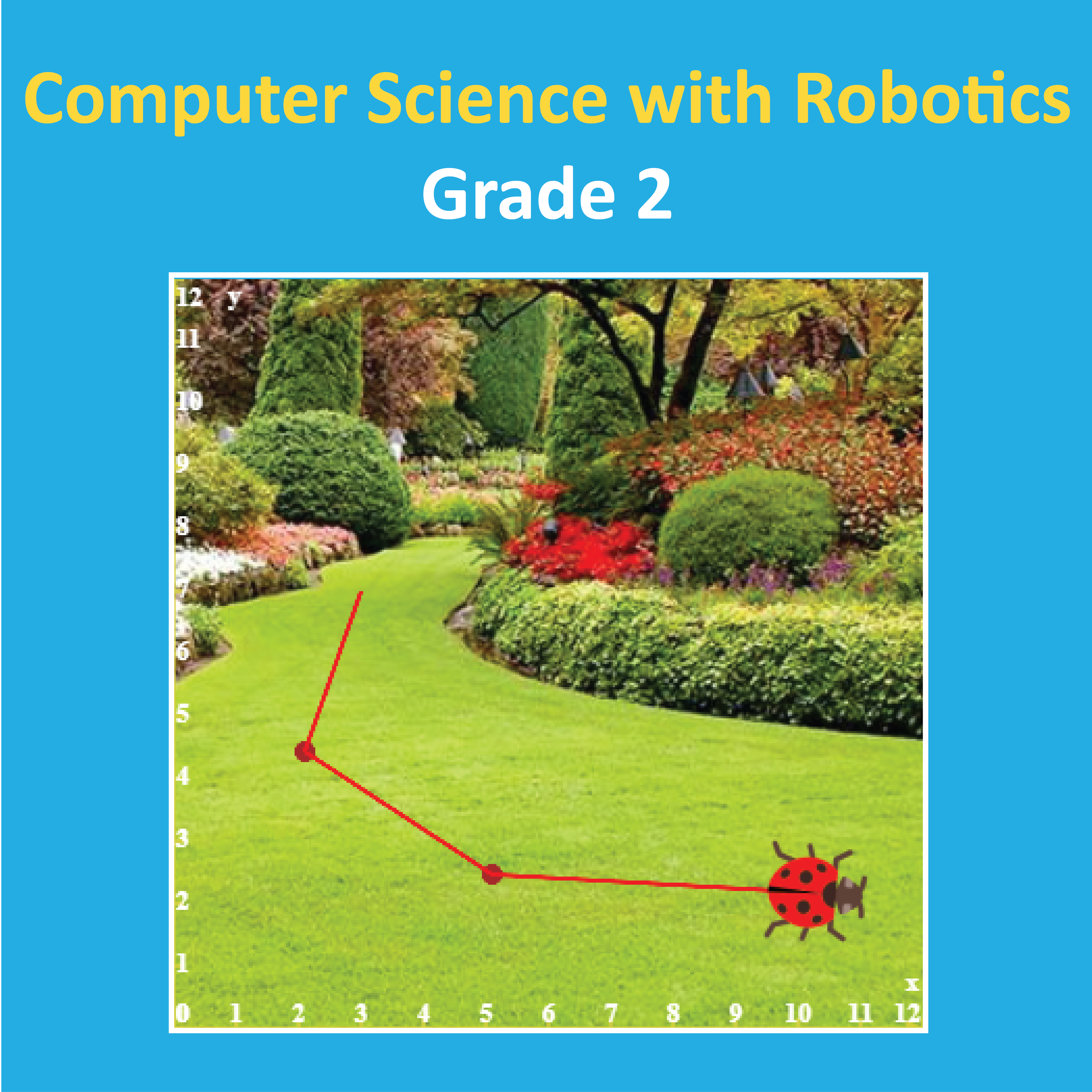 |  |
 |  |  |  |
 |  |  |  |
 |  |
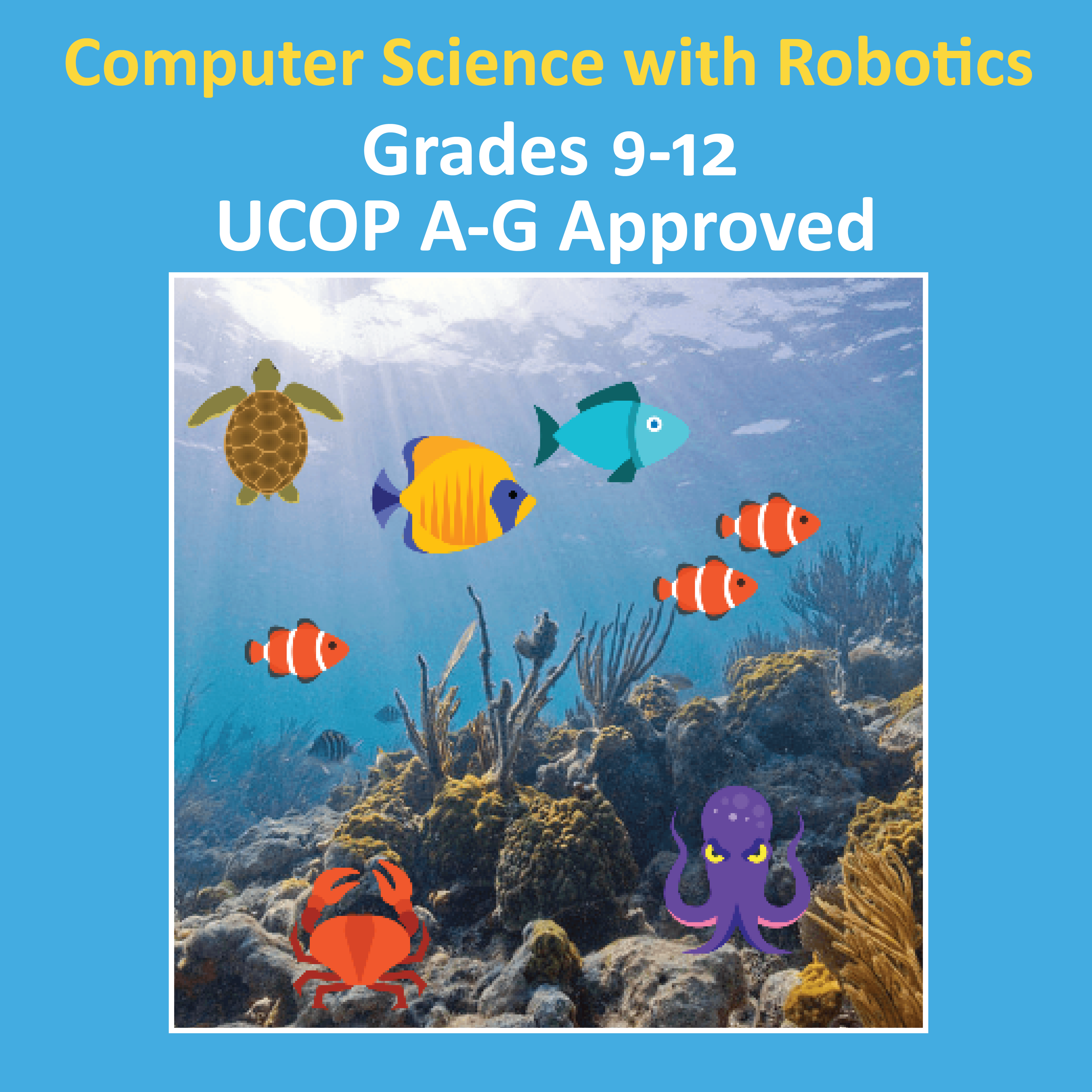
The STEAM, Computer Science, and Engineering Design with Robotics Pathways integrate robotics throughout STEAM (science, technology, engineering, arts, and mathematics), computer science, and engineering design learning experiences. Through hands-on, interactive activities using virtual and physical robots, students develop computational thinking, engineering design, creativity, and problem-solving skills. Through creative projects, engineering challenges, computational storytelling, physical computing, and robotics activities, students develop the knowledge, skills, and confidence needed to become innovative problem-solvers, makers, and future technology leaders.
Students engage in Computational Storytelling, Engineering Design with Robotics, Build Your Own Robot Machines, Physical Computing Projects, RoboParade™, RoboEngineering Expo™, and RoboPlay™ Competitions while applying concepts from mathematics, science, engineering, and computer science to solve authentic real-world problems.
The pathways are designed to complement and reinforce existing mathematics curricula—including RoboBlocky Math—while also serving as comprehensive, stand-alone STEAM, computer science, and engineering design curricula. Each course is carefully designed to support students' cognitive development and grade-level mathematical proficiency. No prior experience with coding, robotics, engineering, or computer science is required. Schools may implement individual courses or comprehensive pathways as stand-alone curricula or integrate them into existing mathematics, science, computer science, engineering, STEAM, afterschool, expanded learning, makerspace, summer camp, CTE, and enrichment programs.
Elementary STEAM and Computer Science with Robotics Pathway (Grades K–5)
- STEAM and Computer Science with Robotics (Kindergarten)
- STEAM and Computer Science with Robotics (Grade 1)
- STEAM and Computer Science with Robotics (Grade 2)
- STEAM and Computer Science with Robotics (Grade 3)
- STEAM and Computer Science with Robotics (Grade 4)
- STEAM and Computer Science with Robotics (Grade 5)
Middle School STEAM and Computer Science Pathway (Grades 6–8)
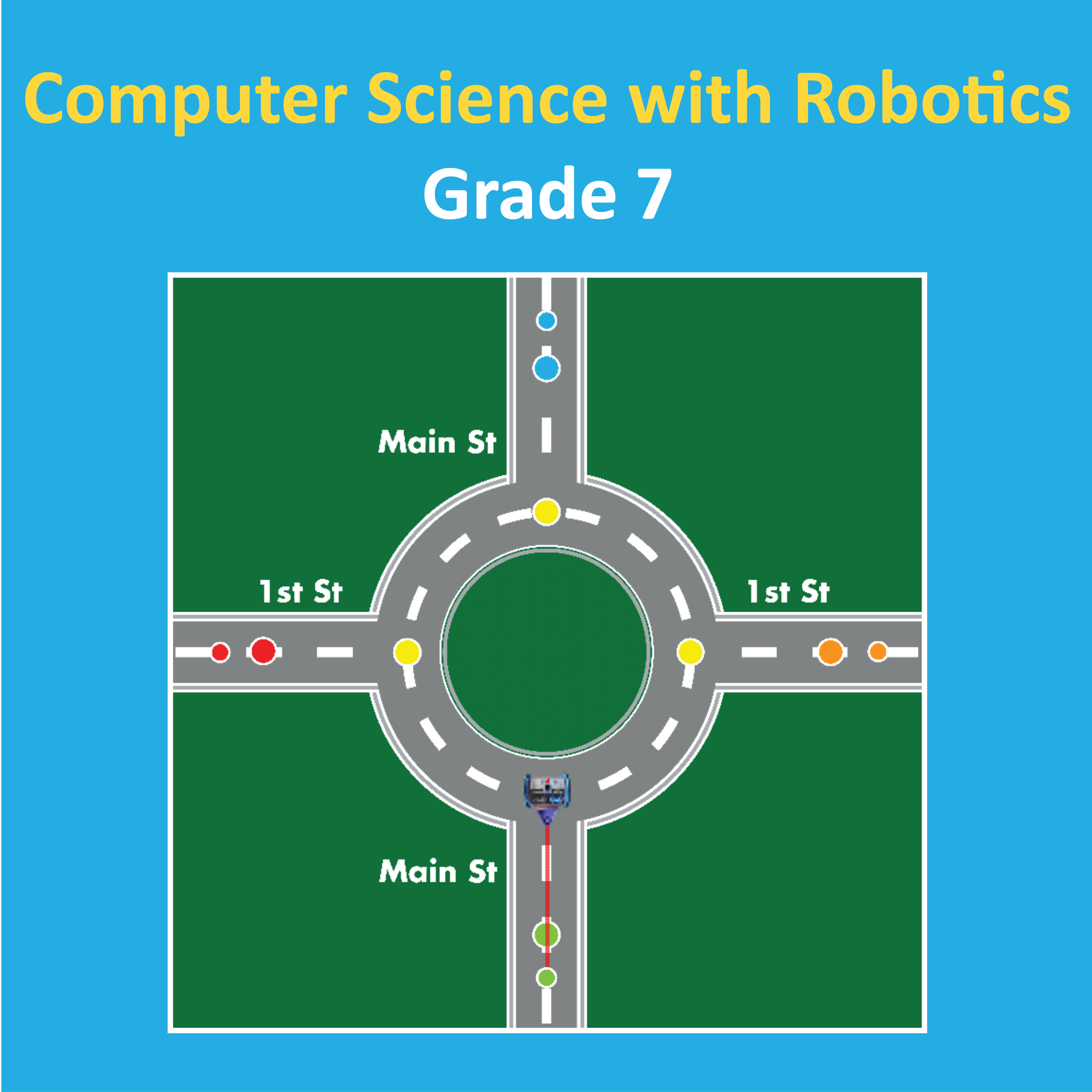
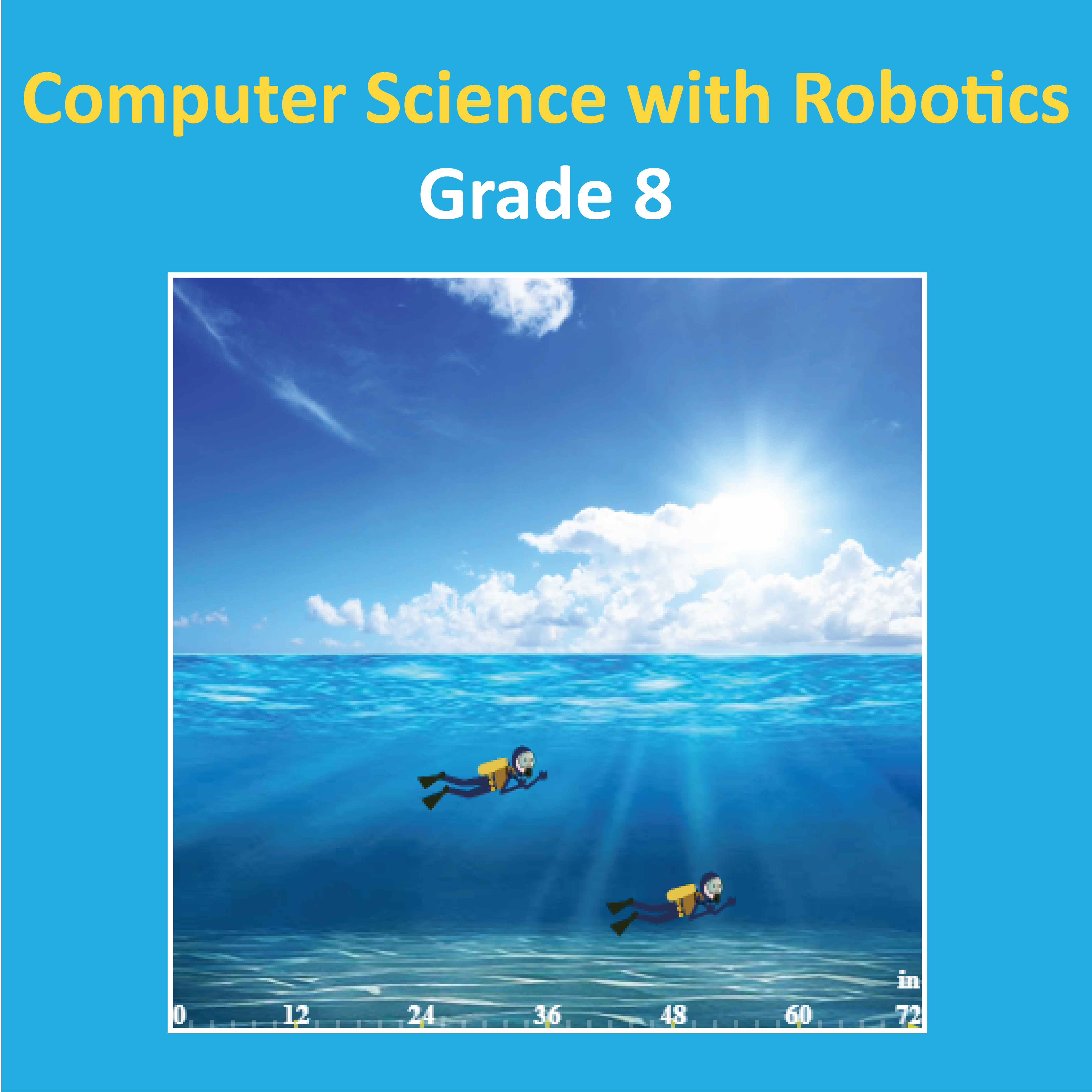
- STEAM and Computer Science with Robotics (Grade 6)
- STEAM and Computer Science with Robotics (Grade 7)
- STEAM and Computer Science with Robotics (Grade 8)
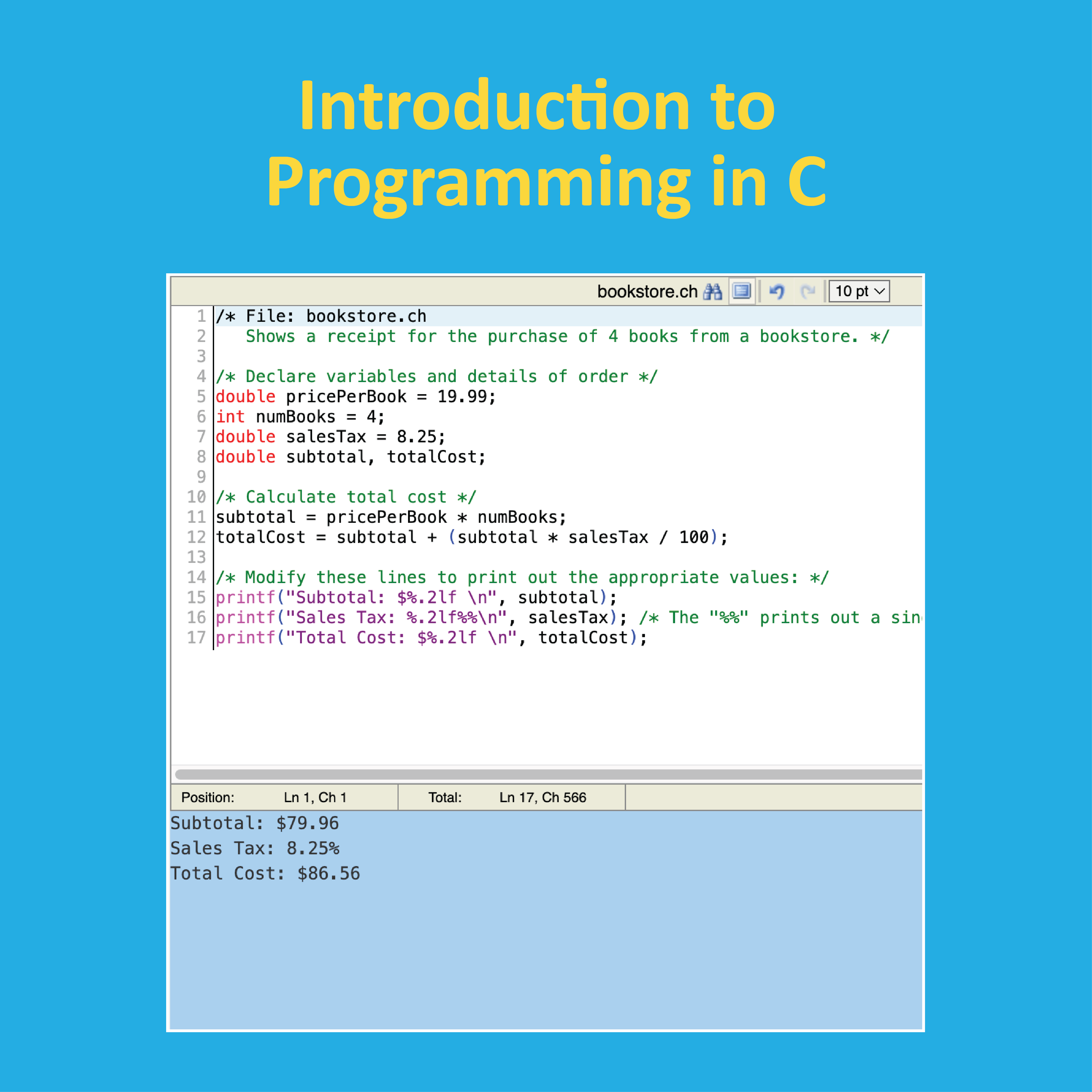
- Introduction to Programming with C (Grades 7–8)
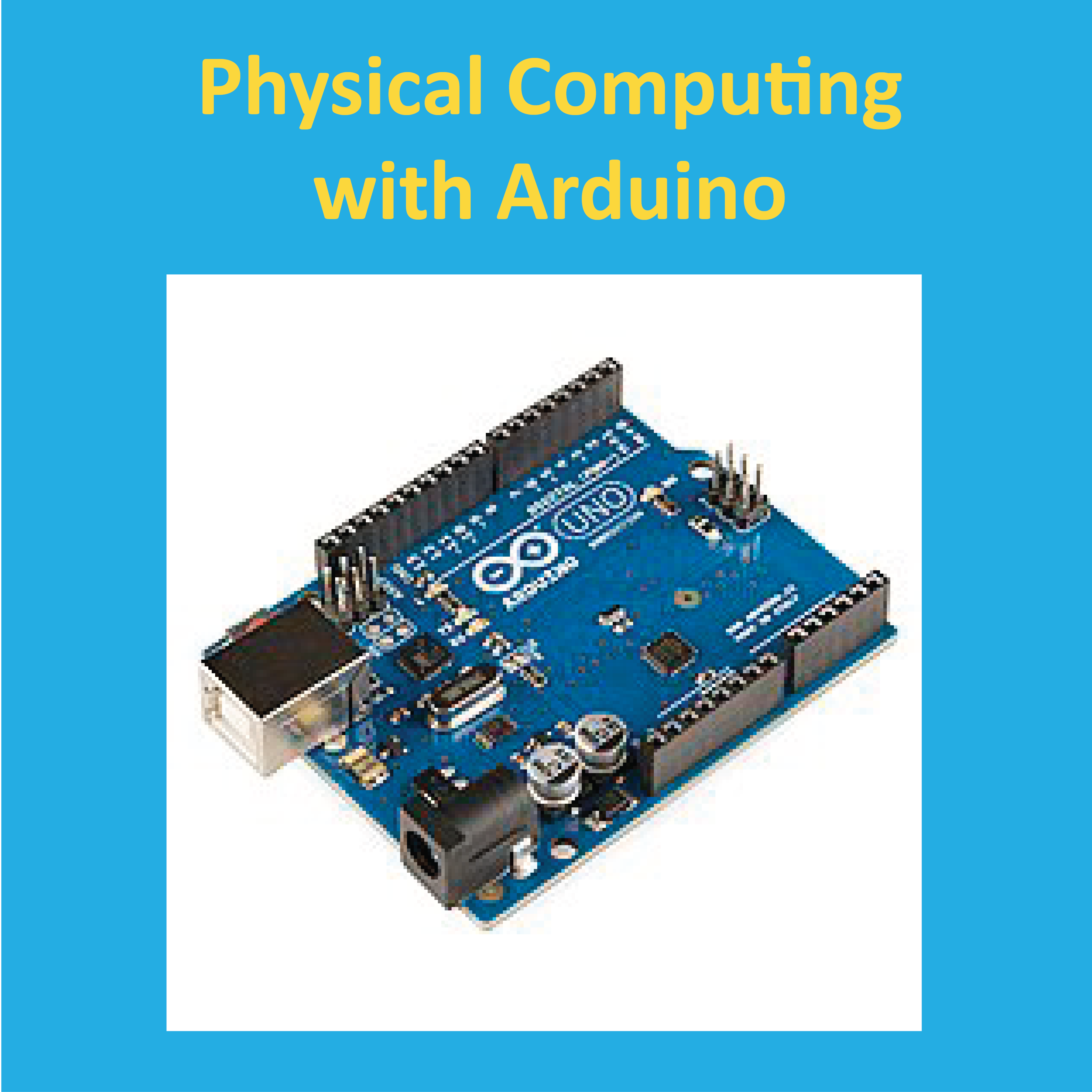
- Physical Computing with Arduino (Grades 7–8)
High School Computer Science and Robotics CTE ICT Pathway (Grades 9–12)
- Computer Science with Robotics
- Computer Programming for Solving Applied Problems
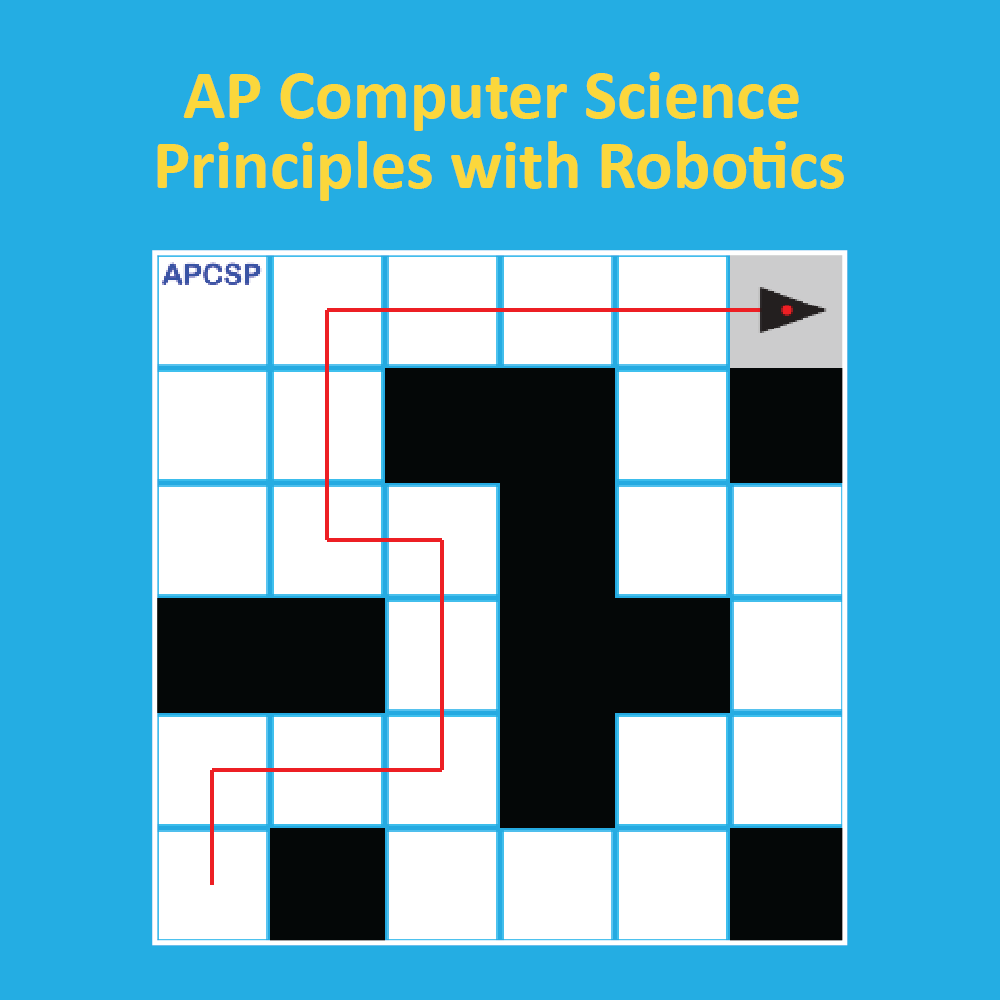
- AP Computer Science Principles with Robotics
- Robotic Technologies
The High School Computer Science and Robotics CTE ICT Pathway courses are UC A–G approved C-STEM courses that can be readily added to a high school's A–G course list. AP Computer Science Principles with Robotics is a College Board-endorsed course.
For more information, please click here.
| Robotics for Expanded Learning: Grades TK-K | Robotics for Expanded Learning: Grades 1-2 | Robotics for Expanded Learning: Grades 3-5 | Robotics for Expanded Learning: Grades 6-8 | Robotics for Expanded Learning: Grades 9-12 |
 |  |  | 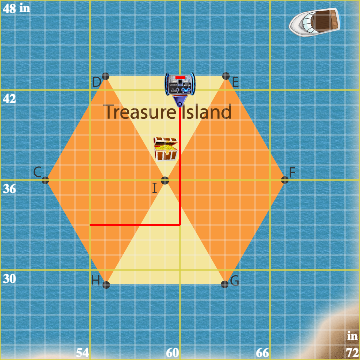 |  |
| Robotics-Math for Expanded Learning: Grades TK-K | Robotics-Math for Expanded Learning: Grades 1-2 | Robotics-Math for Expanded Learning: Grades 3-5 | Robotics-Math for Expanded Learning: Grades 6-8 | Robotics-Math for Expanded Learning: Grades 9-12 |
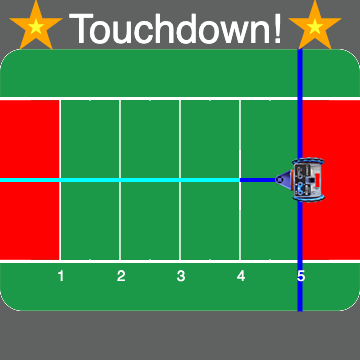 | 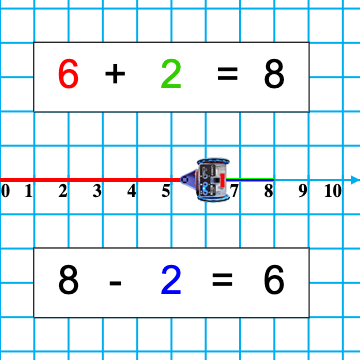 | 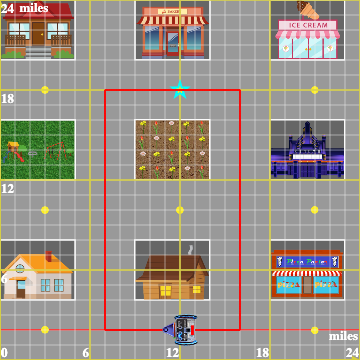 | 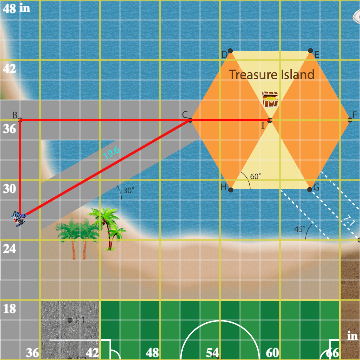 | 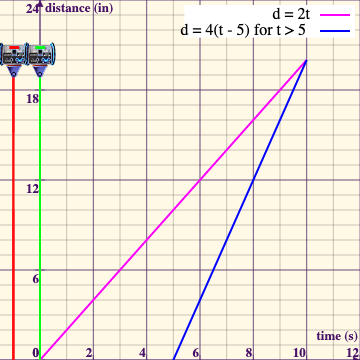 |
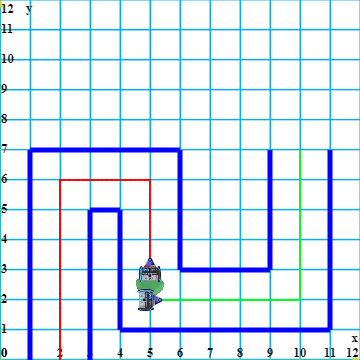
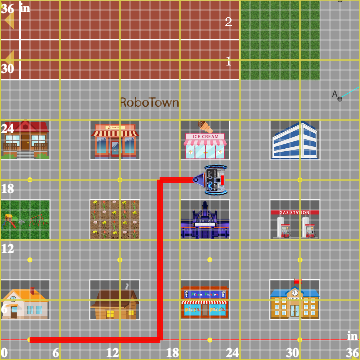
Expanded Learning with Robotics has two curricula: Robotics Curriculum for Expanded Learning and Robotics-Math Curriculum for Expanded Learning. They are designed for afterschool and summer programs. These programs:
- Engage students in hands-on STEAM, computer science, engineering, and robotics activities using a wide range of robot machines.
- Provide opportunities for both accelerated and intervention learning in mathematics through real-world problem-solving.
- Nurture creativity and imagination as students design, build, and program their own robot machines while engaging in computational storytelling.
- Enhance teamwork and communication skills through collaborative robotics projects.
- Prepare students to participate in the math-focused, level-playing-field RoboPlay Competitions.
The same robotics hardware, programming tools, and curriculum resources used in regular classroom instruction can also be utilized in expanded learning programs, making implementation highly cost-effective while providing additional time for hands-on exploration, creativity, and deeper learning. For more information, please click here.
Integrated Learning Components
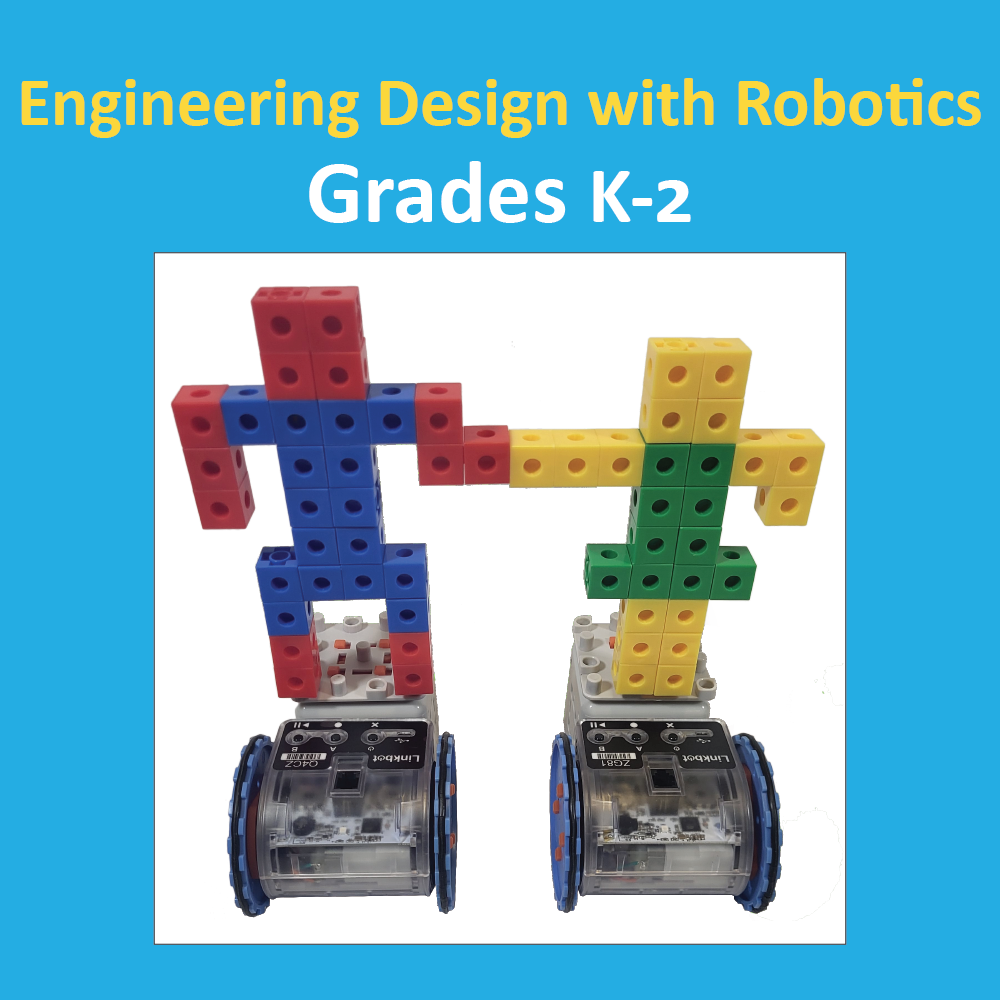
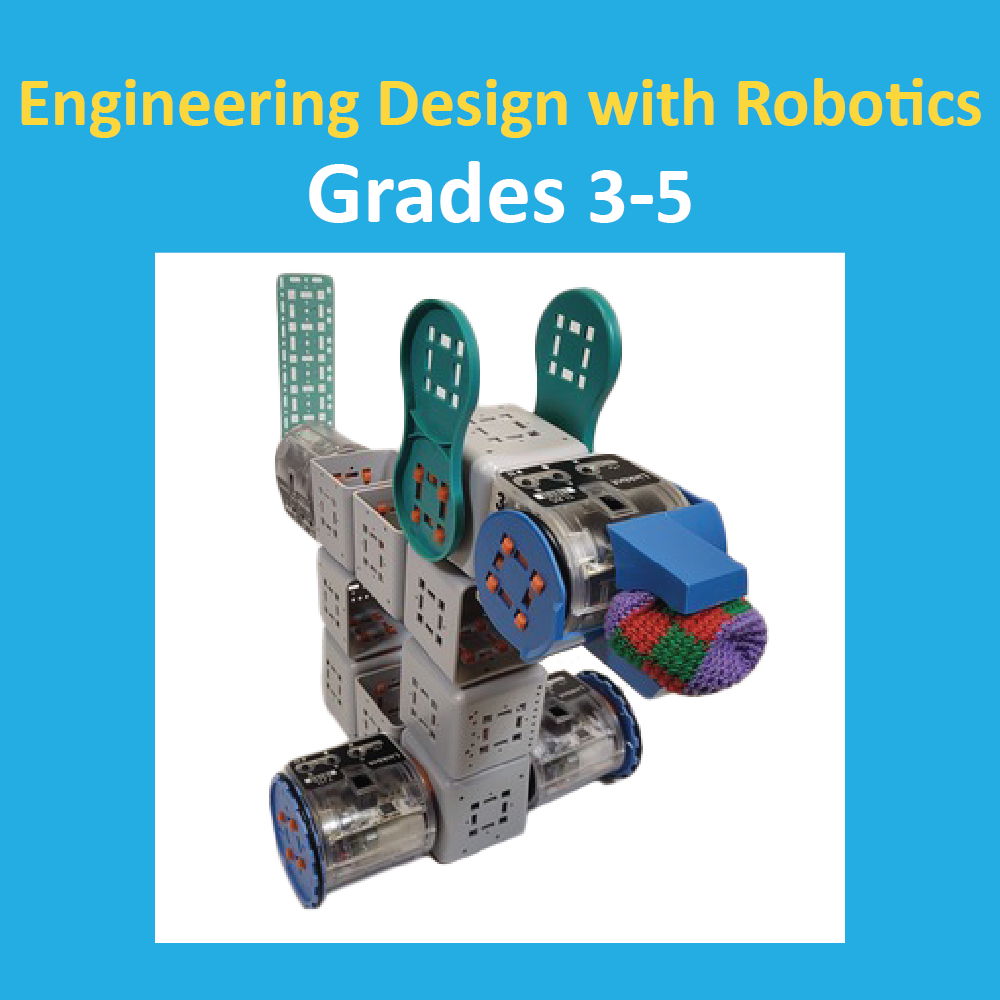
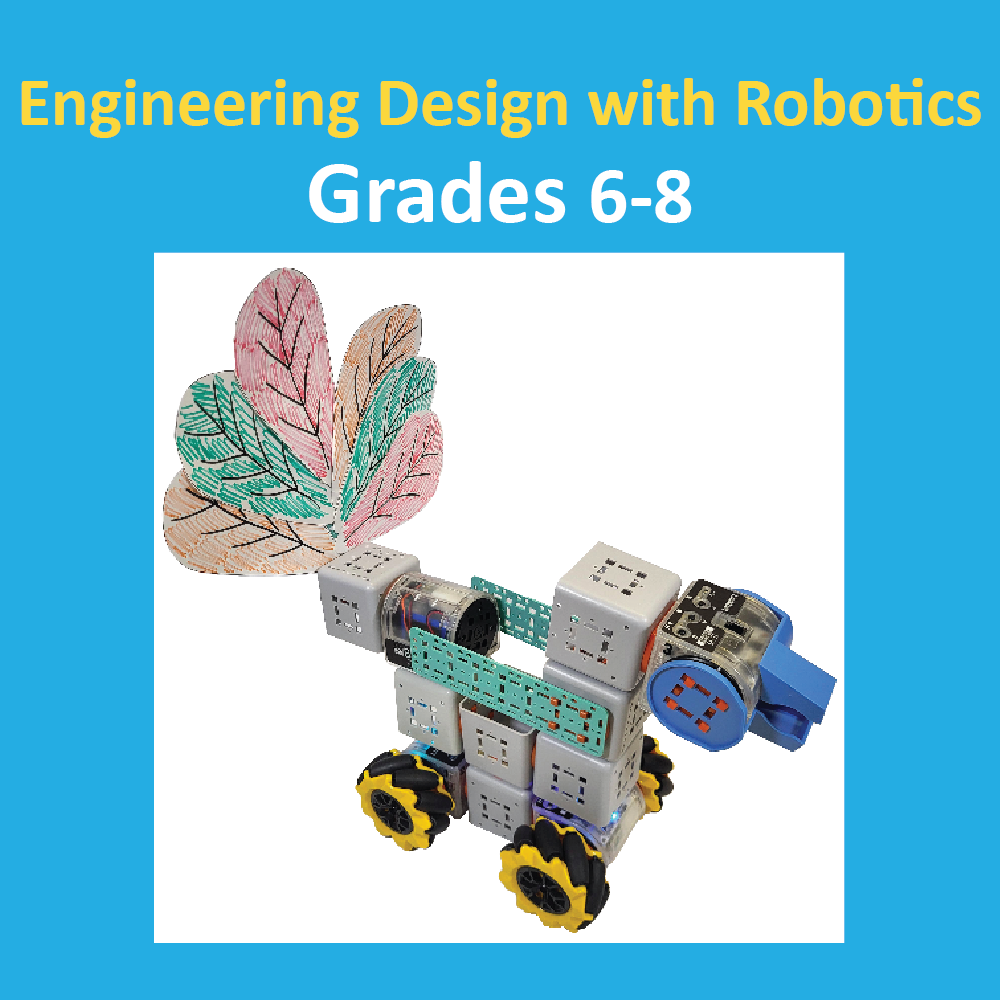
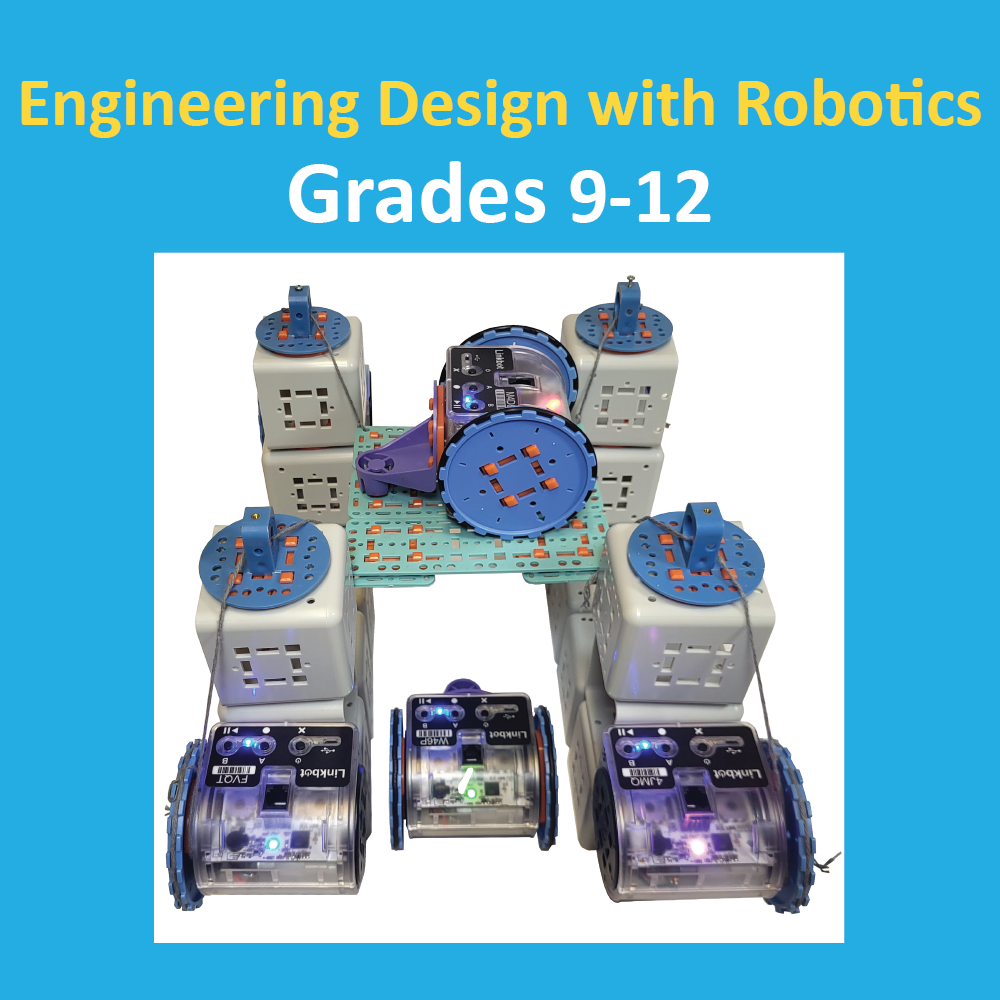
Engineering Design with Robotics, RoboEngineering Expo™, RoboPlay™ Competitions, and Holiday Activities are integral components of the RoboBlocky Curriculum. Together, they provide authentic opportunities for students to design, build, program, test, refine, showcase, and compete through hands-on engineering projects, robotics activities, seasonal learning experiences, and mathematics and engineering challenges.
- Engineering Design with Robotics (TK–12)
- RoboEngineering Expo
- RoboPlay Competitions (TK–12)
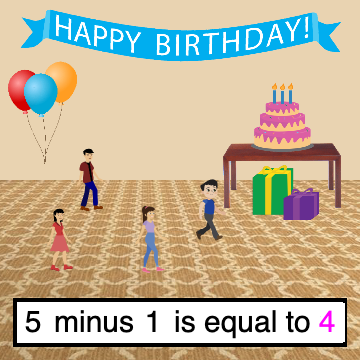
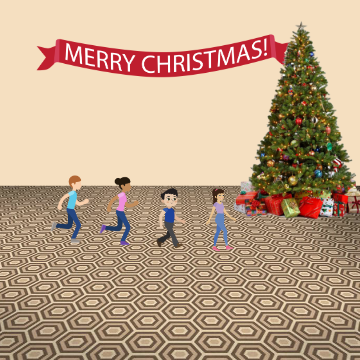
- Holiday Activities (TK–12)
 |  |  |  |
 |  |  |  |
Platform and Instructional Features:
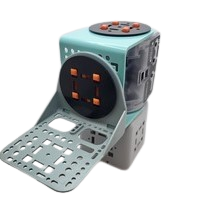
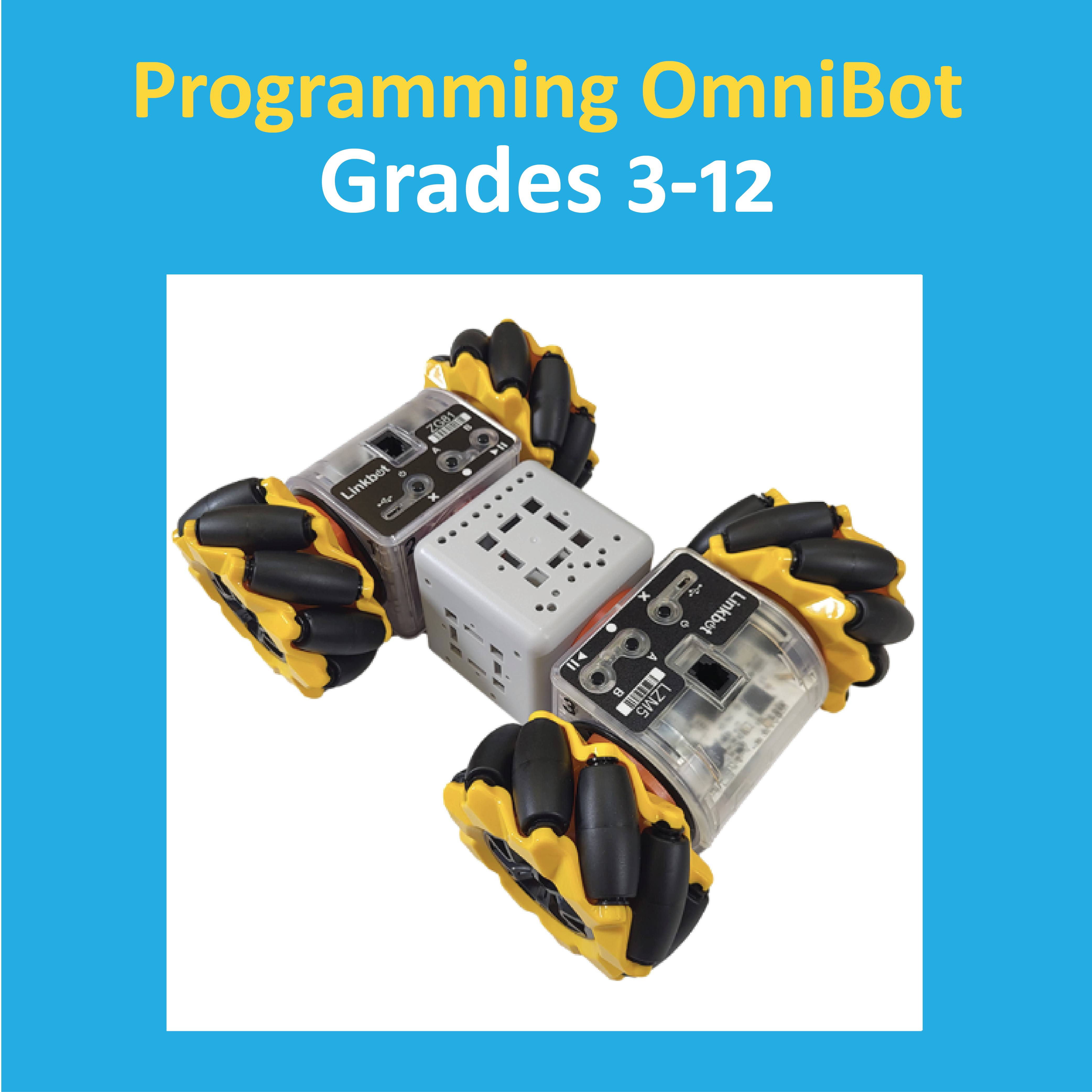
- SnapConnect technology: With Barobo's patented SnapConnect technology, multiple Linkbots and accessories can be easily connected without special tools to create a wide range of 2D and 3D structures, robot machines, and interactive engineering projects for diverse applications, such as RoboEngineering Expo and RoboPlay Competitions.
- TK-12 versatility: The same robots and programming platform can be used across all grade levels and subject areas, from TK through Grade 12, allowing students to progressively deepen their learning while using familiar tools year after year.
- Unified robotics platform: The resources integrate Linkbots, OmniBot robots, Arduino boards, and sensor-based robotics, providing extensive opportunities to explore robotics, engineering design, and physical computing through a common Linkbot-based platform.
- Ease of programming: Students can quickly program the robot machines they build, allowing them to focus on engineering design, computational thinking, mathematical problem solving, and innovation while seeing immediate results through interactive activities.
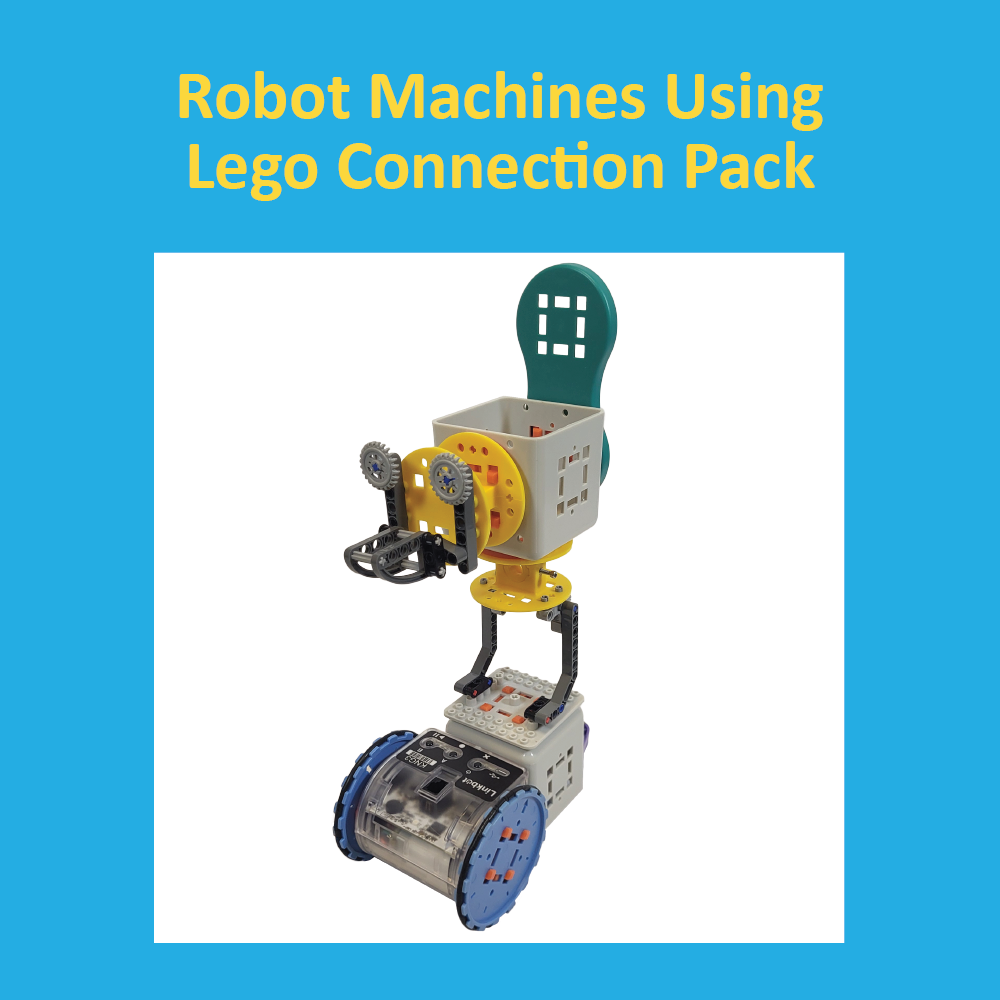
- LEGO integration: Through LEGO Connection Pack, widely available LEGO® components can easily be incorporated into student-designed Linkbot robot machines, further expanding engineering design possibilities.
- 3D Design and Printing: Students can design and fabricate custom parts using 3D printers to create innovative robotic systems with Linkbots that solve authentic real-world problems.
For more information, please click here.
RoboEngineering Expo™
Unlike a traditional engineering fair where visitors primarily observe exhibits, RoboEngineering Expo™ is a student-led, teacher-guided, interactive, hands-on learning event. Students organize and host engaging engineering and robotics experiences while younger students, families, educators, and community members actively participate through hands-on robotics and engineering activities that inspire future learning and strengthen school-family-community partnerships.
RoboEngineering Expo™ may include three kinds of stations:
- Engineering Design Showcase Stations featuring engineering design projects, robot machines, Arduino and sensor-based robotics, physical computing projects, and other student-created engineering innovations developed through the RoboBlocky Curriculum.
- Interactive Robotics Activity Stations featuring RoboToss™ for different grade levels, driving Linkbots and OmniBots using joysticks, measuring distances using ultrasonic sensors, student-created robotics and engineering games, and mathematics- and engineering-based robotics learning experiences developed throughout the RoboBlocky Curriculum.
- Robotics Challenge Stations using the Robotics Challenges for Outreach Programs curriculum to introduce younger students, families, and community members to coding, robotics, mathematics, engineering, and computational thinking through engaging hands-on learning experiences.
For more information, please click here.
| RoboPlay Challenge Competition Curriculum | ||||
 |
RoboPlay is a unique, mathematics-focused, level-playing-field robotics competition for students in grades TK–12.
RoboPlay™ Competitions include RoboPlay Adventure Competitions (K–1) and RoboPlay Challenge Competitions (Grades 2–12).
Designed around grade-level mathematics skills, the competition fosters teamwork and showcases students’ real-world mathematics problem-solving, engineering design, and creativity under time constraints. Participants use reconfigurable modular Linkbot robots and accessories to creatively solve mathematics adventures and challenges that integrate coding, engineering design, and robotics. Key features of RoboPlay include:
- Equitable and inclusive competition: All teams use the same robotics equipment, and adventures and challenges are revealed on the day of the competition. This ensures a level playing field, eliminating advantages associated with funding, custom-build robots, or prior preparation.
- Easy classroom implementation: No advance planning required, making the competition ideal for classroom instruction, afterschool programs, and expanded learning programs.
- Curriculum-aligned and cost-effective: All adventures and challenges use the same equipment and curriculum resources already incorporated throughout the RoboBlocky Curriculum, with no additional purchases required.
- Ongoing access to materials and support: New adventures and challenges are released annually, and Instructors have access to all past adventures, challenges, and sample solution videos. Support is also available for organizing school, district, and regional RoboPlay Competitions.
For more information about the RoboPlay™ Competitions, please click here.

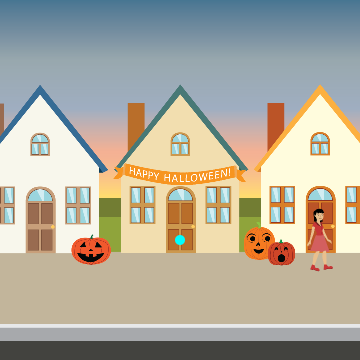
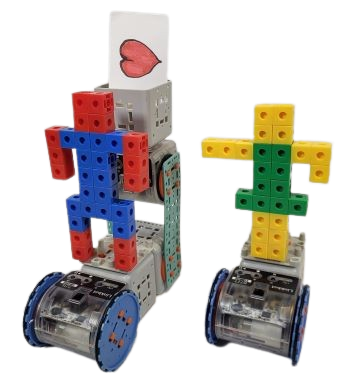
| Holiday Activities (Grades TK-K) | Holiday Activities (Grades 1-2) | Holiday Activities (Grades 3-5) | Holiday Activities (Grades 6-8) | Holiday Activities (Grades 9-12) |
 |  |  |  |  |
Annual Schoolwide or Districtwide Learning Events
The RoboBlocky Curriculum supports engaging Annual Schoolwide or Districtwide Learning Events that celebrate and extend student learning while strengthening school-family-community partnerships. These events provide authentic opportunities for students to apply mathematics, engineering design, computer science, and robotics while developing student agency, communication, collaboration, creativity, confidence, perseverance, leadership, and peer mentoring through meaningful real-world experiences. Schools may organize these events individually or collaborate across multiple schools within a district to maximize student participation, community engagement, and continuity throughout the RoboBlocky Curriculum.
 Fall (November–December): RoboParade™
RoboParade™ is an open-ended, cross-grade, team-based robotics project and celebration where students design, build, decorate, and program robot parade floats while applying grade-level mathematics, coding, engineering design, creativity, collaboration, and problem-solving skills. Students select parade themes, create robot floats, design parade routes, and present their work through engaging robotics activities and themed celebrations. RoboParade™ may be organized as a classroom, schoolwide, or districtwide celebration, providing meaningful opportunities for students, families, educators, and the school community to celebrate student learning, creativity, communication, collaboration, and artistic expression. Winter (January–February): RoboEngineering Expo™
RoboEngineering Expo™ is a student-led engineering and robotics learning event where students showcase engineering design projects, interactive robotics activities, robotics challenge stations, physical computing projects, and other student innovations developed throughout the RoboBlocky Curriculum. Selected students serve as engineering designers, exhibitors, presenters, facilitators, and peer mentors, while other students, families, educators, and community members actively participate through engaging hands-on robotics and engineering experiences. RoboEngineering Expo™ also provides an excellent opportunity for schools and districts to introduce students and families to future RoboBlocky Curriculum learning opportunities while celebrating engineering design, innovation, student leadership, and peer mentoring.  Spring (April–May): RoboPlay™ Competitions
Additional Resources and Support
Discover free curriculum resources, common features and benefits, professional development opportunities, and educator testimonials that support the successful implementation of the RoboBlocky Curriculum.
Free Curriculum on Computer Science, Robotics, and Arduino (click on image for the course to go to that course's page)
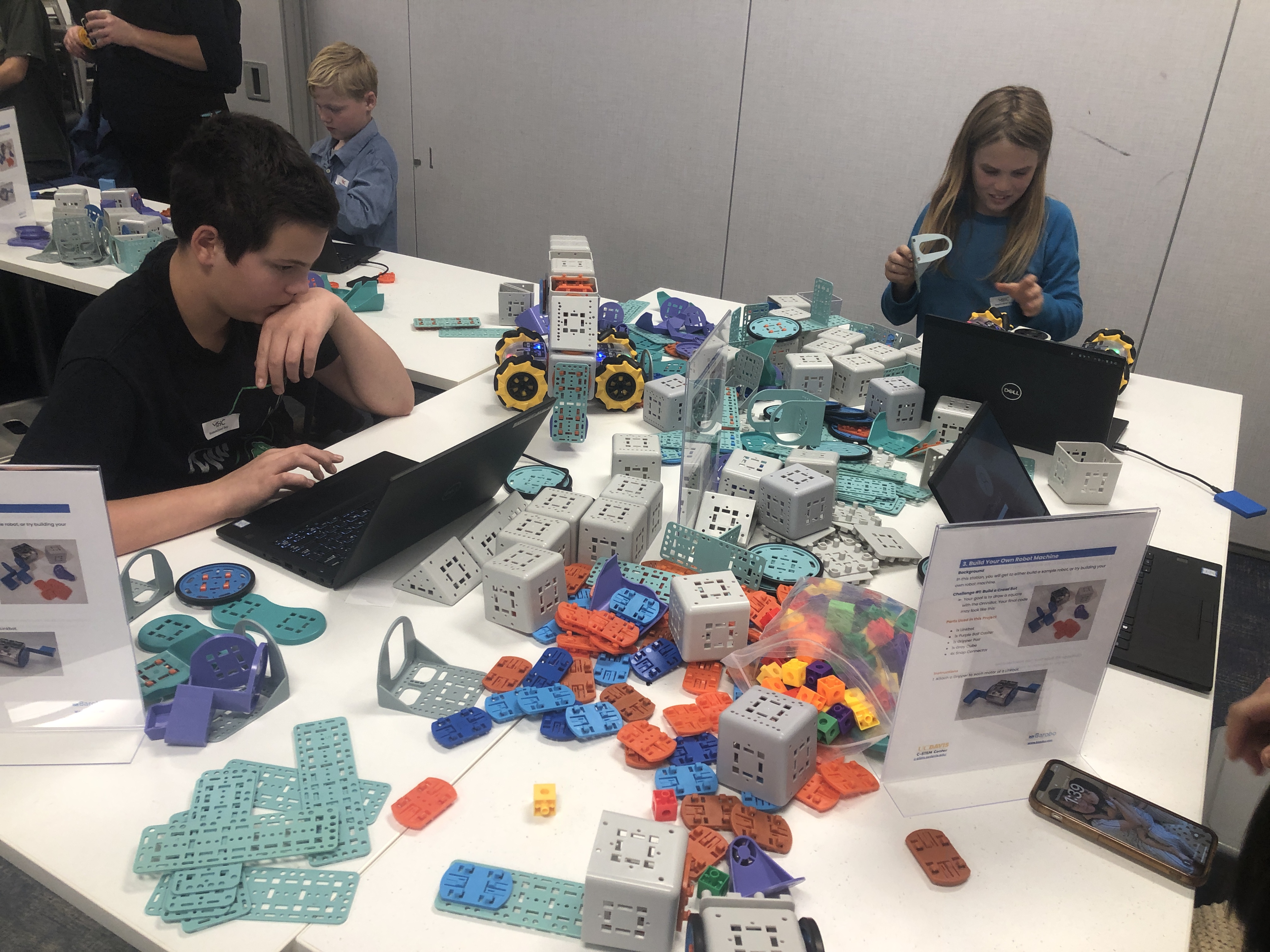
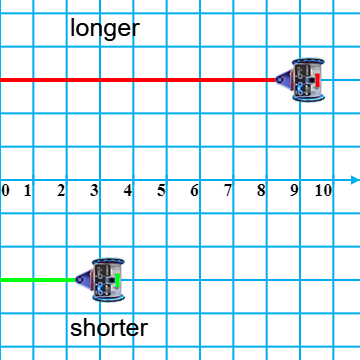
| Robotics Challenges for Outreach Programs | Introduction to Physical Computing with Arduino | Hour of Robot | Hour of Code | Projects |
 |  |  |  |  |
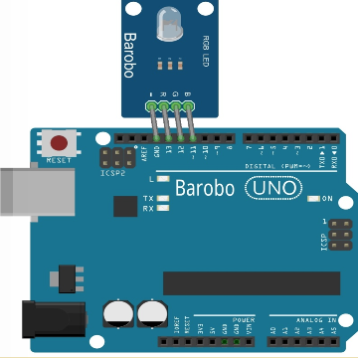
Arduino is one of the most widely used open-source low-cost microcontroller platform across a board range of industrial applications. The free Introduction to Physical Computing with Arduino curriculum engages students in core computer science concepts through physical computing and electronics.
For more information on how to get started, please visit the Documents page.
Common Features and Benefits
The RoboBlocky Math, STEAM, Computer Science, and Engineering with Robotics Pathways, and Expanded Learning with Robotics:
- Help students develop mathematical literacy and make meaningful connections between abstract concepts and real-world applications through engaging, hands-on learning experiences.
- Encourage creativity through the engineering design process, allowing students to create robotic machines, engage in storytelling, and design their own RoboBlocky activities and projects.
- Can be implemented at any grade level from TK to Grade 12, supporting flexible classroom, intervention, enrichment, and expanded learning models.
- Include audio and translation options for lessons and activities, supporting accessibility in English and other languages, including Spanish.
- Support engaging learning experiences through both virtual and physical robotics, enabling students to explore coding, problem solving, and computational thinking in multiple ways.
Professional Development
-
Barobo offers both online and on-site professional development to support educators in integrating RoboBlocky curricula into classroom instruction and expanded learning programs.
-
In collaboration with higher education partners, including UC Merced Professional & Continuing Education and UC Riverside Professional and Global Education, Barobo supports educators pursuing a Computer Science Supplementary Teaching Credential and related professional learning opportunities. UC Merced also provides Continuing Education Units (CEUs) for participating educators.
-
A train-the-trainer program is also available, enabling school districts to conduct their own professional development for teachers, building local capacity and supporting long-term sustainability.
For more information, please click here.
Educator Testimonials
|
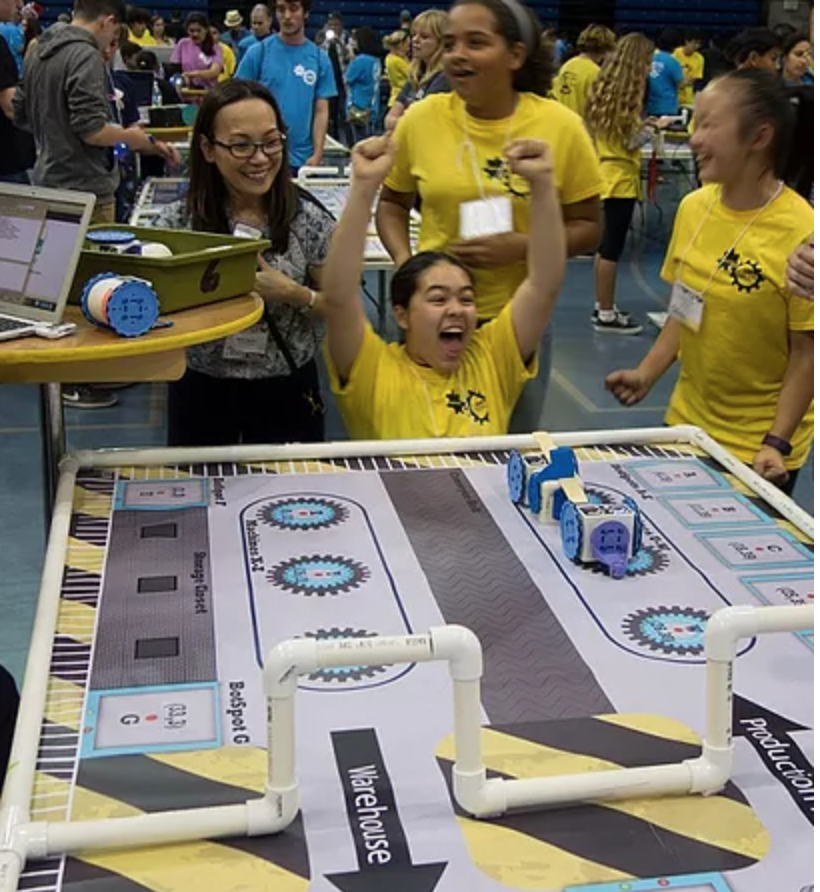
"I like how I can use the curriculum to integrate coding and hands on math to bring math alive for the students …Fun, exciting, and lots of opportunities for kids to learn from their mistakes." --- Catherine Ouellette, Kindergarten Teacher "The RoboBlocky curriculum is a godsend for distance learning! Thanks!" --- Robert Beckett, High School Robotics Teacher “RoboBlocky is awesome! Bringing programming to life with the Linkbot! The materials and online curriculum are fantastic.” --- Margaret Willett, 9-12th Grade CS Teacher |
 |